Author: Ersilia Pompilio RN, MSN, PNP

  • ChatGPT and The Future of Healthcare: An In-Depth Guide for Healthcare Providers

    ChatGPT and The Future of Healthcare: An In-Depth Guide for Healthcare Providers

    AI and Chatbots and ChatGPT, oh my! Technology is transforming healthcare at warp speed. It seems like these days; you need a degree in Computer Science or “Science Fiction” to understand all the new lingo that’s being branded as the ‘future’ of healthcare.

    Here are ten popular healthcare tech terms and definitions that all healthcare providers should know:

    1. AI: Artificial Intelligence that gives computers and machines the advantage of mimicking the problem-solving and decision-making talent of the human brain. 
    2. Chatbots: computer programs that simulate and process written and or spoken human conversations. Humans can have conversations and interact with digital devices as if communicating with another human being. The first chatbot in history was created in 1994 by Joseph Weizberg at the Massachusetts Institutes of Technology (MIT) and named “ELIZA.” 
    3. Machine Learning: a section of AI that spotlights the use of data and algorithms to imitate the learning capabilities of a human being. 
    4. Natural Language Processing: a subfield of AI that helps machines to understand and process human language to perform repetitive tasks. Some examples include spell check, machine translation, and ticket summarization. 
    5. Turing Test, also known as the “imitation game,” developed by Alan Turing in 1950 as a test of a machine’s ability to exhibit intelligent behavior. 
    6. Deep Learning AI: used to help detect and diagnose diseases faster, personalize patient treatment plans, and automate drug discoveries and diagnostics. 
    7. ChatGPT: is an AI “chatbot” that uses natural language processing which allows you to have human-like conversations and much more with a machine. Elon Musk helped to develop OpenAI (creators of ChatGPT). Microsoft is now controlling ChatGPT. 
    8. ChatGPT-3.5: stands for Generative Pre-Trained Transformer 3. It’s the third version of the ChatGPT tool to be released. It generates texts using pre-trained and programmed algorithms with the data to carry out their specific task. 
    9. ChatGPT4: more advanced than ChatGPT-3.5. Better at understanding context by giving more straight answers to questions. It can also interpret images and provide ideas for recipe lists of ingredients located in your refrigerator.
    10. ChatGPT5: advanced form of AI which could achieve artificial general intelligence (AGI) and become identical to a human.

    Better Healthcare Delivery to the Masses

    Healthcare Tech and AI are committed to revolutionizing the healthcare system. Many hospitals around the world already use AI and ChatTGPT platforms. The value of AI comes from increased cost-effectiveness and more efficient workflows to decrease provider burnout. 

    Prevention

    The government in Singapore has mined the data of 5 million citizens to identify pre-diabetic people. These people will benefit from using AI and ChatGPT platforms to manage their pre-diabetes diagnoses better, preventing full-blown diabetes. Part of the program includes giving people daily nudges on how they can lower their blood sugar. So far, this program has been successful in decreasing the advancement of pre-diabetic patients. 

    Robotics

    The United States has been utilizing AI robotics in surgery for several years. Robotic-assisted surgery is minimally invasive, and research shows that patients experience decreased post-surgical complications. 

    One of AI and machine learning’s superpowers is pattern recognition and the ability to make predictions. Some examples of how healthcare organizations use AI and machine learning technology include predicting patient hospital admissions to provide safer staffing ratios, more precise diagnostic abilities on rare cancer cases, improving the interpretation of patients’ radiology scans, and further advancing the work of radiologists. 

    A Second Pair of Eyes

    In a recent interview in Forbes magazine, Tom Lowery, National Director of AI for Health & Life Sciences at Microsoft, states:

    “When a radiologist looks at a scan, they’re typically looking for one thing, which is why you have that image done. But many times, in the background, there’s something else that can be seen. So as radiologists are dictating, natural language processes are being used to call out these secondary issues for follow-up, where previously those things might go unnoticed…so it’s a preventive way of trying to get out ahead of a future health problem.”

    AI Benefits in Hospice Care 

    Late referrals and the difficulty in accurately predicting patient death within six months are just some obstacles to getting a patient admitted into hospice care. As a matter of fact, AI and machine learning have the potential to predict which patients have a high probability of expiring within the next six months, allowing for quicker admission into hospice care and improving a patient’s quality of life. 

    ChatGPT Transforming the Future of Healthcare Tech

    As soon as ChatGPT launched in November of 2022, it became the fastest-growing platform in the world, gaining 100 million users in 60 days. Social Media entrepreneurs are creating automated business plans business. In fact, high school and college students are using the platform for homework and writing essays. Some of the ways ChatGPT will revolutionize healthcare include:

    • Development of virtual assistants to book patient appointments
    • Aid in patient management
    • Patient health education
    • Medical record keeping and streamlined EMRs
    • Improved healthcare systems 
    • Automatically monitoring patient vital signs and signaling warning signs to patient deterioration
    • Healthcare professionals dictating to ChatGPT with better-streamlined details
    • Real-time patient translation services of technical terms and medical jargon
    • Better patient understanding of health, wellness, and disease process 
    • Identifying patients who meet inclusion criteria in clinical trials. 
    • Development of more accurate symptom checkers
    • Medication management
    • Medical writing
    • Patient triage
    • Predictive maintenance of hospital equipment
    • Quick detection of atrial fibrillation in cardiac care
    • Patient data collection at home
    • Integration of information across many platforms like radiology, EMR’s and genomics
    • Better and more efficient patient diagnosis
    • Better image analysis

    Should ChatGPT Be Used for Mental Health?

    Recently, Rob Morris, the founder of Koko, a complimentary therapy program, admitted on Twitter that his service used ChatGpt-3 chatbots to respond to over 4,000 users seeking mental health advice. When users were told a machine was counseling them, they did not like it. “Simulated empathy feels weird,” states Rob Morris. 

    More and more people are using ChatGPT platforms for mental health to deal with social isolation, anxiety, depression, and relationship breakups. According to an article in the Indian Express, “chatbots monitor and analyze human emotion and then use machine learning to track and record a person’s mood, acting like a person’s virtual therapist.” There is also conflicting dialogue regarding a machine’s ability to analyze and respond to human emotion accurately. 

    Of course, if a machine were to diagnose a patient inaccurately, the outcome could be fatal. There can also be a false sense of acceptance, especially among young adult patients. It’s important to realize that AI and machine learning platforms are driven by practicality and not based on real human emotions. 

    Healthcare Providers Trusting the Process

    A research study of 11,004 U.S. adults finds that only 38% agree that using AI to diagnose disease and recommend treatments would lead to better outcomes, while 33% said it would lead to worse results. 

    One of the main problems with more significant AI usage in healthcare facilities is physicians’ and healthcare providers’ understanding of what AI implementation could represent. Not to mention, to have more healthcare providers adopt AI and machine learning systems, they must be able to trust and understand the predictions the machines are giving them. Researchers recently put ChatGPT through the U.S. Medical Board 3-part Licensing Exam to to see if it could pass. ChatGPT could perform at or near the passing rate on all three exams without training or added cheat sheets. 

    Should We Fear ChatGPT?

    In a recent interview Sam Altman ChatGPT CEO, states, “AI will reshape society,” and he’s “a little bit scared of this.” With the new ChatGPT5 having qualities identical to humans and the ability to process data above and beyond what the human mind can, we should all be afraid. 

    2001: A Space Odyssey – H.A.L.

    There’s a scene in the movie 2001: A Space Odyssey where a computer by the name of HAL is in control of most of the operations on the spaceship Discovery. Hal makes an error that he blames on human error. When the ship’s captain keeps giving HAL orders, HAL responds, “I’m sorry, Dave, I’m afraid I can’t do that.” Hal then starts to take over the spaceship, killing most of the crew who are asleep in suspended animation. 

    Even though 2001: A Space Odyssey is just a science fiction movie, it gives humanity something to think about regarding ethics when it comes to healthcare tech making decisions. AI and machines having too much power over life-and-death decisions is a scary thought. It’s important to understand that no matter what outcome the AI spits out, humans and healthcare providers must always be able to make the final call on all patient care decisions. On balance, let’s hope that machines will only partially replace humans in healthcare. 

    Are you looking to add travel and adventure to your life? MedCare Staffing has a variety of long-term and short-term locum tenens assignments. Click here for more information.

  • Fun Times! Adding More Fun in Your Life

    Fun Times! Adding More Fun in Your Life

    Fun? FUN!!! I remember years ago when I worked for a pharmaceutical company as a Nurse Marketer, I would get in trouble all the time. The job was dull. A huge change from working in Pediatrics for the last 15 years.

    Why was I getting in trouble you ask? For one thing, I had a habit of telling jokes in front of my colleagues and pranking my former boss. At the time, I was also performing stand-up comedy and comedic storytelling on various stages in Hollywood, California.

    I felt like a fish out of water in the pharmaceutical world. I was a Pediatric Nurse Practitioner working with a bunch of people wearing suits who talked like robots. It was no fun!

    Hiring me to work in the pharmaceutical industry is kind of like hiring a clown to perform at an old folk’s home. I really didn’t fit in. To this day, I’m not sure why my former boss, a pharmaceutical sales manager and not a nurse, hired me. Perhaps he hired me because I was ‘fun!’

    Having Fun Makes Us Happy

    Of course, we all could use more fun in our lives! Americans are constantly in pursuit of happiness. Catherine Price, the author of the book “The Power of Fun. How to Feel Alive Again,” suggests that having and incorporating more fun in your life will produce more happiness. She further suggests that having fun will increase the likely hood of feeling good in the future.

    Depression Is an Epidemic

    Overall, depression in the United States is on the rise. At least 10 % of Americans currently suffer from depression. Additionally, researchers are claiming that depression has now reached epidemic levels equivalent to the flu. Surprisingly, from 2015 to 2020, depression was ranked the highest in adolescents aged 12 and older. The cause of depression has been blamed on the increased feeling of helplessness and economic distress. Furthermore, many researchers speculate the cause of depression is an increased use of screen time and a lack of human social interaction.

    Technology and Infinite Distractions

    Our brains have been hijacked with a variety of meaningless distractions. Many people are addicted to their smartphones and devices. In essence, technology has taken over as a main source of entertainment and distracts us from life leaving many to feel dull and dead inside. Catherine Price writes in her book refers to this in her book as being ‘fake fun.’

    Fun Helps Us Flourish

    Catherine Price interviewed many researchers when she wrote “The Power of Fun.” She found that “When humans flourish, they are in a state of optimal human functioning in which we feel engaged, open, purposeful, self-accepting, resilient, robust, motivated and satisfied. “

    When humans are in ‘survival mode,’ fight or flight, or working to live, we tend to get stressed which may lead to depression. We are not in flow. And that’s when our bodies may start to break down in a state of ‘dis-ease.’

    Maslow’s Pyramid

    According to Maslow’s Hierarchy of Needs Pyramid, the basic human needs, located at the bottom of the pyramid, are physiological requirements and safety which include food, water, warmth, adequate rest, security, and physical safety. When many people are in work mode, all they can do is stay stuck at this level.

    Undoubtedly, to climb up Maslow’s Hierarchy of Needs pyramid and achieve ‘self-actualization’ achieving one’s true potential, we need to include friendships, belonging, love, and increased self-esteem to allow us to grow and flourish.

    Making True Fun A Priority

    In Stanley Kubrick’s “The Shining” protagonist Jack Torrance, a burnt-out writer, sits at a typewriter and obsessively types out the same phrase over and over again, “All work and no play makes Jack a dull boy.”

    What makes the average working adult not have fun and become dull? Catherine Price states that she had succumbed to what she calls a ‘time value paradox,’ only placing priority and value on activities that brought in money or were productive. Once Catherine started to treat ‘True Fun’ as a priority in her life, she felt like she was flourishing.

    What is True Fun?

    “The times we feel most alive, those that make up our best memories are moments of play,” states Stuart Brown, founder of the National Institute for Play. For children, the art of play and having fun is normal and necessary for their brain development. But as we grow up to be adults, for some reason play and having fun are no longer seen as important. Brown describes ‘play’ as anything that can be absorbing and purposeless.

    Price describes ‘True Fun’ as a mood-boosting and energizing state. Some signs to watch for include:

    • Laughter
    • A sense of release/ freedom/letting go
    • Feeling like you’re having a special shared experience
    • Losing track of time
    • Feeling free from self judgment and self-consciousness
    • Feeling like you’ve stepped out of the normal
    • Being fully absorbed into the present moment
    • Not caring too much about the outcome
    • A feeling of childlike excitement and joy
    • A positive boost in energy
    • Feeling yourself

    How to Add More Fun to Your Life

    The best thing to do is take a self-inventory and evaluate what your passions, interests and hobbies are. Whether it’s playing with Legos, painting, taking guitar lessons, enrolling in a  storytelling class, or experimenting with standup comedy, you should be having FUN.

    When you pick up a new hobby and or passion, make sure you are doing it for fun. I have picked up many exciting interests. In the beginning, they were fun, and I even found myself in that ‘true fun’ state. But over time some of these activities were no longer fun. I gave myself permission to drop them or take a break. Sometimes, I explore another type of fun which helps to evolve and expand my creativity.

    Are you looking to add more fun and excitement to your career? Are you looking to add travel and adventure to your life? MedCare Staffing has a variety of long-term and short-term locum tenens assignments. Click here for more information.

  • Locum Tenens Job Assignment -12 Questions You Should Be Asking

    Locum Tenens Job Assignment -12 Questions You Should Be Asking

    Are you in the process of quiet quitting? Unfair staffing ratios and productivity paranoia getting you down in the healthcare workplace? Are you looking more flexibility and adventurous travel? Working Locum Tenens could be the answer to all your healthcare job woes with the perks of:

    • Greater Flexibility
    • Travel Opportunities
    • Work-Life Balance
    • New and Exciting Work Environments
    • Greater Compensation
    • More Diversity
    • Less Administrative Responsibilities

    Locum Tenens Providers vs. Non-Locum Tenens Providers

    Multiple healthcare facilities around the United States employ locum tenens providers. As placeholders, locum tenens providers temporarily fill the space of another. Hospitals, Federally Qualified Clinics, Urgent Care facilities, Dental clinics, rural healthcare clinics, and correction facilities all employ locum tenens healthcare providers.

    Recent studies show that patients treated by locums’ providers exhibited shorter hospital stays, decreased hospital costs, and no increase in readmission or mortality. According to another study published in World Neurosurgery, there were no differences between locum and non-locum neurosurgeons related to short-term complications, lengths of hospital stays, or costs.

    Healthcare Labor Market Trends

    The healthcare job market in 2022 has been tumultuous with unpredictable staffing ratios, a looming recession, and more healthcare providers complaining about workplace burnout. Hot healthcare job postings have shown a slight trend of cooling down compared to previous years.

     According to research done by The Indeed Hiring Lab, healthcare job postings on the Indeed website have been flat. However, Physician and Surgeon job postings are up 15.8 % while Nursing job postings have been on the decline by 0.07%.

    Although, the United States Board of Labor Statistics is estimating that over 500,000 nurses will leave the profession in 2023 resulting in a nursing shortage of over one million nurses.

    Healthcare facilities are still using locum tenens providers to fill various staffing gaps

    Approximately 88% of healthcare facilities stated they used locum tenens advanced practice providers to fill staffing gaps in 2021. Many facilities are utilizing locum tenens advanced practice providers to address rising patient demands, provider burnout, and supplementary staff while looking for permanent staff replacements.

    The Gig Economy

    The gig economy has been slowly creeping into the healthcare workforce for many years. The COVID-19 pandemic further opened more opportunities for gig work in healthcare. Gig work offers alternatives that include flexible options to retain advanced healthcare providers and nurses, flexible work schedules, and the ability to achieve financial independence.

    What to Expect When Speaking with A Locum Tenens Healthcare Recruiter

    You’ve probably been bombarded with emails from various locum tenens companies. Perhaps you’ve gotten several unsolicited text messages from a locums’ recruiter offering you a job with the opportunity to travel somewhere new and exciting.

     When you’re first treading into the unknown waters of the locum tenens job market, things can be confusing.

    Finding the right locum recruiter is key to navigating the best locum assignment.

    Locum recruiters are free of charge and can connect you with potential job offers. Many have established relationships with highly regarded facilities. It’s best to work with a recruiter who is connected to a locum’s company that is affiliated with NALTO, the National Association of Locum Tenens Organization.

    Sheila Samuelson, the Managing Director of Recruitment and Marketing for MedCare Staffing states:

    “A locum tenens healthcare recruiter acts on the candidate’s behalf. The main role of a locums’ healthcare recruiter is to communicate and connect clients with candidates as well as act as a liaison between the two parties.”

    The recruiter’s main job is to make sure that the healthcare provider candidate is a good fit for the client. A good locum recruiter communicates directly with the facility and helps to advocate for safe staffing parameters. The recruiter will also help you to negotiate pay and benefits on your behalf.

    Questions to Ask Your Recruiter When Considering a Locums Assignment:

    • Pay rate
    • Rest breaks and length of meal breaks
    • How many patients per hour
    • Type of charting
    • Paid orientation
    • Malpractice coverage
    • What type of job support will you have?
    • Is there a lab onsite at the facility you will be working at?
    • How often is payday?
    • Length of contract
    • Cancellation policy
    • Sick days
    • Travel logistics, parking, and lodging

    Clarify Job Responsibilities

    Not all advanced healthcare providers and nurses are alike. The locum tenens recruiter should clarify the healthcare providers’ or nurses’ responsibilities before accepting and or arriving at the assignment.

    Credentialing

    When starting a new locum tenens assignment, all providers must go through a credentialing process. A recruiter may ask you for copies of your CV and all required documents which may include diplomas, licensing information, malpractice insurance, work references, and NPI number.

    The credentialing process for advanced healthcare providers is a regulated process that evaluates and assesses their specific qualifications. Subsequently, the verification of education, training, and licensing is an important safety check that doctors, dentists, nurse practitioners, and other advanced healthcare providers must go through the ensure that they can perform adequate patient care.

    Sheila Samuelson further states that “Each facility is different when assessing a provider for credentialing. Smaller clinics move fast with their processes whereas government, FQHC’s and hospitals last 30-90 days on average. Our internal credentialing is complete in 24-48 hours.”

    Medical Malpractice Insurance

    Many healthcare providers and nurses carry their own malpractice insurance. The locum tenens company should offer all healthcare providers some type of malpractice coverage with every locum’s assignment. The healthcare provider should ask for clarity on whether the coverage includes all incidences or is limited to the assignment location.

    Travel and Lodging

    Traveling to a new location on a locum tenens assignment can be an adventurous ‘workcation.’ Locums’ contracts can be short or long-term. They can be located in both touristy or rural areas.  Local travel in your home city or state can also be an option. Travel and lodging opportunities as well as accommodations may vary depending on the contracting facility.

    Are you ready to start your new locum tenens assignment? MedCare Staffing has many exciting long- and short-term locum assignments. Click here for more information.

  • Don’t Let the Holiday Blues Get You Down

    Don’t Let the Holiday Blues Get You Down

    The holiday season is in full swing. It’s the “most wonderful time of the year.” A time for parties and getting together with family and friends. It’s a time for having fun.

    Although, for some people, the holiday season can be dreadful. The mere scent of nutmeg and pies baking in the oven can trigger a person’s mood. Feeling blue during the holiday season is a normal phenomenon.

    What Are the Holiday Blues?

    There’s a high expectation placed on being happy during the holidays. It’s not just a song that Elvis Presley made famous. The added stress of shopping, attending social events, baking the perfect holiday cookies, and decorating your home along with planning family dinners can make people feel uncomfortable.

    The American Psychological Association states that 38% of people surveyed complain of increased stress during the holidays, which can lead to increased physical illness, anxiety, and substance abuse. The number of alcohol fatalities increase during the holiday season.

    Approximately 64% of people who suffer from diagnosed mental health issues state that their symptoms worsened around the holidays.

    In most cases, symptoms caused by the holiday blues can be temporary.

    SAD

    Seasonal Affective Disorder (SAD) is a natural health disorder caused by a lack of sunlight. In parts of the world that experience decreased sunlight during winter months, approximately 10 % of the population is affected by SAD and presents with symptoms.

    The body’s natural circadian rhythms and the internal clock are upset due to decreased sunlight. Symptoms can start in adolescence and are more common in women than men.

    Some signs and symptoms of SAD include sleeping too much, increased appetite, weight gain, decreased energy, low concentration levels, loss of interest in work and other activities, slow movement, social isolation, unhappiness, and irritability.

    Symptoms can improve with light therapy. A lamp with a very bright light that mimics the sun works well. Treatment starts in November and the early winter months before symptoms manifest. Some side effects of light therapy include eye strain, headache, or mania. Et Symptoms usually get better when the seasons change.

    Although there is a risk for self-harm during the holidays, according to NAMI, it’s a myth that suicides increase during the holiday season.

    Common Stressors

    -Family and social dynamics
    -Unreasonable expectations
    -High pressure to be in the ‘holiday spirit.’
    -Overeating
    -Ability to maintain diet and exercise routines
    -Taking off time from work
    -Financial Stress-Spending more money than usual
    -Working too much
    -Intense travel plans
    -Getting sick
    -The economy

    Pay Attention to the Signs and Symptoms

    Signs and symptoms can begin in November and last until the beginning of the New Year.

    -Feeling irritable
    -Feeling overwhelmed
    -Trouble concentrating
    -Lethargy
    -Trouble sleeping
    -Lack of joy during happy times
    -Impulsive behavior
    -Procrastination
    -Self-isolation

    Loneliness and Social Isolation

    The holidays are full of scenes of people spending time with loved ones drinking eggnog by the fire and singing holiday songs. Loneliness during the holidays is common. Many older people tend to isolate themselves or may suffer the loss of a loved one. Lack of support or feeling loved can also lead to social isolation.

    Certain things like seasonal songs, various holiday movies, or even certain aromas can trigger people who experience loneliness during the holidays. People remember past partners, children, or careers. Thoughts and feelings can also trigger unpleasant moods.

    Kids Also Experience the Holiday Blues

    Children may have high expectations around the holiday season. Movies and social media advertise picture-perfect holidays. A child’s mental image around the holidays may not match their reality, potentially causing a depressed mood.

    Setting realistic goals and making holiday plans while incorporating children in the decision-making for the season can help parents deal with possible mood changes. Establishing family budget expectations for the holidays and having open conversations with children can help.

    Parents need to differentiate when their children feel a little blue versus having a depressive episode. The darker days of winter can also increase gloomy moods in kids. The highest rate of child psychiatric admissions occurs in the winter months. If a child is feeling sad or withdrawn for more than two weeks and the child or teen is having problems concentrating in school, it’s best to seek the help of a healthcare professional.

    Conquering Sadness

    A recent study on sadness during the holidays came up with a quirky and creative way to deal with uncomfortable feelings. The study uses the Disney-Pixar movie ‘Inside Out,’ where the feelings from Joy to Sadness of a little girl become personified. Much like the movie, study participants picture their sadness as having human traits. The study participants were able to alleviate their symptoms and have more self-control. When sadness becomes a ‘person,’ participants could easily detach from the feeling.

    Reframing an experience can also be a powerful technique to help harness your coping skills. Exploring how interpreting specific experiences and finding that your interpretations are problematic can help you shift them for a more positive experience. Reframing the experience to a more positive one can help you move your mood and current external reality.

    Take Charge of Your Moods and Shake Off the Holiday Blues

    -Put yourself and your mental health first
    -Reach out and watch out for each other
    -Talk to someone verbally instead of texting
    -Create new holiday traditions
    -Permit yourself to go somewhere where there are no triggering memories
    -Take a walk outside
    -Reread greeting cards
    -Look forwards to the future instead of looking backward into the past
    -Be patient
    -Keep expectations low and realistic
    -Set realistic boundaries with family members
    -Take short-term mental health problems seriously
    -Set healthy boundaries with friends and family when needed
    -Avoid drinking alcohol when feeling depressed or down

    MedCare Staffing: Travel and Add Some Spice to Your Life

    Are you looking to add more diversity to your career? Have you considered making a temporary or long-term shift that can help you transform into something better? MedCare Staffing has many long-term and short-term locum tenens assignments. Click here for more information.

  • NP’s Rising to Meet Patients Needs

    NP’s Rising to Meet Patients Needs

    Happy National Nurse Practitioner Week! November 13-19, 2022

    It’s National Nurse Practitioner Week. Nurse Practitioners are a vital resource to the healthcare community, with over 355,000 currently licensed to practice in the US.

    A Nurse Practitioner is a nurse with a master’s degree and who completed a graduate-level education at a university. All NP’s are registered nurses who the Board of Registered Nursing licenses in the state where they may be practicing. NPs have an expanded scope of practice over the traditional registered nurse role and may vary from state to state.

    NP’s bring clinical expertise, leadership, and robust solutions to the challenges experienced in the healthcare universe. One of the main focuses of the NP profession is to reduce healthcare disparities with patient-centered care at the heart of the practice.

    Bridging the Gap

    The COVID pandemic revealed many cracks in an already fragile healthcare system. The disease burden was high, while medical equipment, hospital beds, and personal protective equipment resources were low. A lack of fairness regarding healthcare accessibility was found to exist primarily in the lower socioeconomic populations and rural areas. Once these patients were diagnosed with COVID, morbidity, and mortality rates were higher due to a lack of accessable healthcare.

    Several policy changes emerged during the COVID pandemic. This catapulted the advanced practice role of the NP forward into more extraordinary evolution. Legislative changes were made allowing NPs to work to the full extent of their training and licensure.

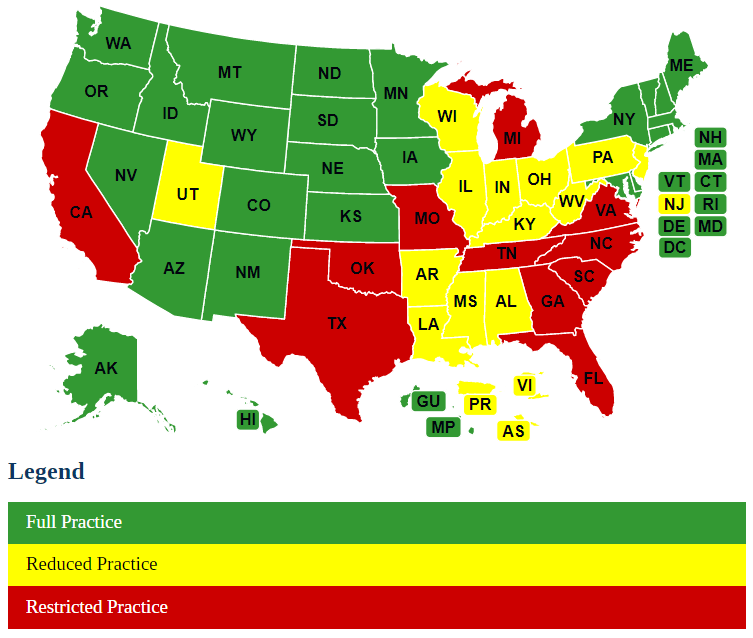
    Full Practice Authority

    Nurses should practice full extent of their education and training. A recent study found that the main barriers in the practice guidelines for NP’s are in states with limited practice authority, further restricting patient’s access to healthcare.

    Full Practice Authority (FPA) authorizes nurse practitioners to evaluate patients, diagnose, interpret, order diagnostic labs, and initiate and manage treatment. Prescribing medication is also included in the FPA under the board of nursing in each state. (For a complete list of FPA States, please click here)

    Quality and Cost-Effective Healthcare

    NP’s have a unique approach when it comes to healthcare. Care focuses on the well-being of the whole person, with particular attention on disease prevention, health promotion, and health education.

    Various studies show NPs provide a 29 % reduced cost to patients compared to physicians. The same survey found that NPs are more inclined to refer and recommend patients for health education, counseling services, and smoking cessation counseling as compared with patients seen by physicians.

    Specialties of Practice with Primary Certification

    According to the American Academy of Nurse Practitioners, specialties with primary certifications can be found in:

    • Family Practice
    • Adult Medicine
    • Adult-Gerontology- Primary Care
    • Geriatric disorder Adult Gerontology-Primary Care
    • Gerontology
    • Psychiatric-Mental Health
    • Women’s Health
    • Pediatrics
    • Neonatal
    • Pediatric Acute Care.

    A Valid Asset in Long-Term Care Facilities

    Long-term care facilities were hit hard during the COVID pandemic. A recent study revealed that many Medical Directors in LTC facilities worked virtually to reduce the risk of transmission while NP’s saw their patients in person. The study also found that NP’s were pivotal in containing the spread of COVID in LTC facilities, helping out where there was a need, extending support to patients and families, and acting as liaisons in fragmented areas.

    High Demand for Psychiatric NP’s

    Mental and behavioral health disorders are on the rise. On average, 70% of primary care patient visits are for mental health issues. Approximately 13-20 % of children in the United States are diagnosed with emotional, behavioral, or mental health disorders daily.

    Psychiatric Nurse Practitioners are in high demand, especially in lower socioeconomic areas and Federally Qualified Clinics. Psychiatric NP’s have advanced degrees in psychiatric mental health nursing and apply the nursing process to patients and families with behavioral health and psychiatric disorders. Many studies show that integrating behavioral health services like substance abuse and mental health services has drastically decreased anxiety and depression.

    Virgin River series. Netflix 2022.

    Netflix Promoting NPs

    The Netflix show ‘Virgin River,’ now in its 4th season, is the perfect example of NP’s servicing rural areas of the United States. The protagonist is a nurse practitioner searching for a fresh start who moves from Los Angeles to a rural part of California to practice as an NP.

    The Outlander series, also on Netflix, features a nurse as the main protagonist who time travels back 200 years. At one point, she also becomes a doctor. Perhaps you can say she was a modern-day nurse practitioner.

    The Future of Healthcare Sustainability

    According to the United States Bureau of Labor Statistics, the role of the Nurse Practitioner will grow by 40% by 2031. NPs are not only healthcare providers; they are mentors, educators, researchers, and administrators. They possess a dynamic knowledge base that spans from academia to clinical practice.

    According to The American Academy of Nurse Practitioners, over 1.6 billion visits are made to NP’s every year. Post-visit, patients report an extremely high level of satisfaction with their care.

    NPs are in a unique space to help mold healthcare policy and take positions as leaders to help guide elected political officials in the event of future pandemics. The ICAN (which stands for improving care and access to nurses ) act has been introduced into legislation which will allow for greater patient access to nurses.

    Psychiatric NPs are in high demand and can teach FQHCs and community clinics to integrate behavioral health services into primary care.

    Further legislation of Full Practice Authority needs to occur in all 50 states with nationwide approval of the APRN Compact Legislation. More Nurse Practitioners are valuable in underprivileged and rural areas of the United States where healthcare access is difficult.  

    Travel and Explore the United States: Give Locum Tenens a Shot

    You may not be able to time travel on a locum tenens assignment, but you can explore new and rural places across the United States. If you’re looking to make a temporary or permanent change in your healthcare career, MedCare Staffing offers a variety of locations and assignments. Click here for more information.

  • Flu, RSV, and COVID: Are We on the Verge of a Tridemic?

    Flu, RSV, and COVID: Are We on the Verge of a Tridemic?

    Several media outlets predict that 2022 will be the worst flu season since before the pandemic. Covid cases are slowly up ticking in many cities. RSV cases in children are also on the rise. Are we headed into a winter ‘tridemic?’

    The Main Concern: Healthcare Staffing Shortages

    Hospital and healthcare systems are still trying to recover from the pandemic and COVID surges. Many hospitals around the country are experiencing a nursing shortage. Physician’s covering emergency rooms are also in short supply. A pending ‘tridemic’ poses a great threat to the already ailing healthcare system.

    What’s New About the Flu?

    The CDC states that while the overall flue activity remains low, early increases in cases are being reported all over the country. The southwestern and southcentral areas of the United States report significantly high levels of activity.

    Flue trends in California are particularly rising compared to five years ago. According to Cal Matters, 6.6% of flu tests came back positive. Even Harry Styles had to postpone his California tour due to being sick in bed with the Flu.

    The CDC recommends a flu vaccine for all people over the age of six months. Flu vaccines for the 2022-2023 season are quadrivalent and will protect against four types of flu viruses, including two types of influenza A and two types of influenza B.

    For people between the ages of 65 years and older, the CDC recommends Fluzone, High Dose Quadrivalent, and Fluad quadrivalent vaccines.

    The effectiveness of the flu vaccine can vary from season to season. Pregnant women, infants, and the elderly are particularly at high risk for flu illnesses during the winter months.

    Do Onions Help Prevent the Flu?

    If you’re on Tiktok, you’ve probably heard about ‘Poshmamma’s’ onion recommendations against the Flu that have won her over 2.3 billion views. But do onions combat the Flu and other viruses?

    Believe it or not, people have used onions to combat viruses for centuries.

    Perhaps this tale stems from a story from 1919 about a farming family who placed onions around their home to combat the Spanish Flu. The legend states that none of the members of the family became ill. Although to date, there is no scientific evidence to support onions combating the flue or any other viruses. It is considered a ‘wives’ tale’ that is passed on from generation to generation and tends to go viral every winter.

    RSV: The Most Common Virus to Infect Children Worldwide

    If you work in Pediatrics, you know about RSV. Typically, RSV season begins in mid-September and lasts till mid-November. Respiratory Syncytial Virus (RSV) is the most common virus affecting children and some older adults worldwide.

    RSV presents in children as an upper respiratory infection. Common symptoms include cough, runny nose, sneezing, fever, or wheezing. Most children recover without worsening symptoms. If symptoms do worsen, inflammation can cause bronchiolitis and pneumonia, which may result in hospitalization.

    The Origins of RSV

    In 1956, RSV was first discovered in a group of chimpanzees suffering from colds and upper reparatory infections resembling hay fever. Once the virus was isolated it was called the chimpanzee coryza agent. RSV was later detected in children who had bronchopulmonary pneumonia.

    Who’s at Risk?

    The CDC reports that each year RSV leads to 58,000 to 80,000 hospitalizations in children younger than five years old. Elderly adults are also at risk for contracting RSV. Infants who are immunocompromised, born premature, or have cardiac issues are at the most significant risk of contracting RSV. Infants and young children under the age of 2 years old cannot clear their mucus secretions which makes them susceptible to upper airway obstruction causing difficulty with respirations.

    Treatment of RSV

    Supportive care includes lubricating and suctioning of the nasal airway to relieve nasal congestion, along with fever relief and adequate hydration. If a child is experiencing increased respirations and low oxygenation, they need oxygen and ventilatory support. Doctors might recommend hospitalization.

    RSV Prophylaxis and Vaccines

    The American Academy of Pediatrics recommends palivizumab be given as an immune prophylaxis to premature infants less than or equal to 29 weeks gestational age, born with chronic lung disease, congenital heart disease, or neuromuscular disorders.

    Pfizer has just released data from their phase 3 trial for their RSV vaccine that was tested on pregnant women. The vaccine is 82% effective. Pfizer plans to submit their data to the Food and Drug Administration towards the end of the year.

    COVID Updates

    COVID cases and hospital admissions are rising for the first time in several months. In the past two weeks, Nevada, Utah, and New Mexico have reported a 50% increase in COVID cases. Various hospitals around the United States report a 20% increase in COVID admissions.

    Variants

    The latest COVID-19 variants BQ.1, BQ.1.1, XBB, and XBB.1which, are all derived from Omicron and are highly transmissible. However, they also evade vaccine-derived immunity and infection-derived immunity. According to the National Institutes of Health treatment guidelines, only one monoclonal antibody treatment exists, and BQ.1 and BQ.1.1 are most likely resistant to Bebtelovimab. The drug is only recommended if people cannot take Paxlovid or Remdesivir. Although the virus can evade these treatments, they remain the first defense against severe SARS-CoV-2.

    Tips to Survive a Tridemic

    Get vaccinated

    Practice good hand washing

    Boost your immune system

    Stay hydrated

    Get adequate sleep

    Exercise in moderation

    Stay home from work or school if you are sick

    Wear a mask in heavily populated places

    Practice social distancing

    Looking for a Locum Tenens Assignment? Choose MEDCARE STAFFING

    Are you looking for locum tenens work, permanent opportunities, or staffing assistance for your facility? MedCare Staffing places physicians, advanced practitioners, pharmacists, and dentists in locum tenens, contract positions, and permanent jobs. Contact us now

  • The Best Ways to Combat Burnout and Enjoy a Healthier Work Life Balance.

    The Best Ways to Combat Burnout and Enjoy a Healthier Work Life Balance.

    “Working five days a week, nine to five. Charting patient information after work hours at home. Now my boss wants me to be on call for my patients two weekends a month. Oh wait, what about my husband and my 18-month-old child?” These were the protests left by a healthcare provider on a recent social media post. Burnout.

     Let’s face it, working as a healthcare provider is not getting any easier. It seems nearly impossible to pair that with raising a family, juggling friends and social obligations. It’s a perfect recipe for burnout.

    In a survey conducted in 2021, 52% of US workers stated that they are experiencing burnout. Work from home employees or virtual workers said they are working “much more” than before the pandemic. Unplugging after work is a challenge for many workers, with 27% reporting that they keep working at home. Many workers state that working more hours is due to the increased pressures from management, customers, and clients.

    Burnout

    Burnout- It’s a Socio-Psychological Phenomena

    Burnout can creep up on you slowly. One day you might wake up to find yourself transformed into a monstrous cockroach, much like the character Gregor Samsa in Franz Kafka’s famous play The Metamorphosis. Gregor’s transformation was blamed on his dreary job as a traveling salesman and his obligations to provide for his family. Basically, he was burnt out.

    Believe it or not, burnout is considered a ‘syndrome,’ a socio-psychological phenomenon that includes physical, motivational, and emotional exhaustion. The cause: chronic occupational stress. The clinical picture of burnout is multifaceted. It’s not just about your job or your family. It’s also related to the role you are playing in society. Is your work and home life bringing you joy? Are you being a productive member in society? Are you living life unconsciously on someone else’s terms?

    Negative Consequences

    Burnout is a set of somatic and psychosomatic disorders which are symptoms of social dysfunction. Healthcare providers commonly suffer from burnout due to the dedication and increased levels of empathy felt for their patients.

    Healthcare providers suffering from burnout are susceptible to increased medical errors and potentially higher malpractice rates. Poor work performance can also decrease patient satisfaction scores and lower quality care. Burnout can also have devastating effects with high healthcare staff turnover rates, increased alcohol and drug addiction, and a high risk for suicide.

    Tensed surgeon with hand on forehead sitting in corridor of the hospital

    Signs 

    Exhaustion

    Low emotional and energy levels are proceeding in a downward spiral. Healthcare providers may be running on fumes and asking themselves how long they can continue.

    Depersonalization

    Being detached from one’s mind, body, and mental processes. Subsequently, you may be observing your life from the outside. You may be using synoecism and sarcasm to talk about your patients. Emotionally you are unavailable to your patients and perhaps even your family.

    Lack of Efficacy

    Doubting the meaning of your work. You may question the purpose of your work, in addition, you may be critical of yourself, worrying that you may make increased errors.

    Causes of Job Burnout

    • Chronic Work Overload. Daily increases in patients seen on a daily basis.  Nurses handle significantly higher ratios of patients per person at the bedside, creating unsafe staffing. Burnout is inevitable with work politics, personality clashes, workplace bullying, and sloppy management.
    • Work-Life Imbalance. Work may take up most of your time, leaving very little time spent on family and personal activities that satisfy you. 
    • Monotonous Environment. Albert Einstein coined the phrase, “Insanity is doing the same thing repeatedly and expecting different results.” When a job is chaotic and dull extra energy is needed to remain focused and motivated.
    • Unclear Role Expectations/ Lack of Support. Insufficient resources, inability to influence job scheduling, and lack of resources needed to do your job safely can increase burnout. Lack of social support on the job and at home  can also increase your risk for burnout.  
    •  Speaking a Non-Native Language On the Job. Having to speak in a language on the job that is not your native language can cause increased fatigue. Non-native speakers experience increased fatigue from having to constantly monitor their actions on the job.

    Recognize the Physical Signs Before It’s Too Late

    Burnout may creep up on you slowly. You may start missing work deadlines, delay updating your licensing credentials, and attending continuing education courses to update your certificates. Recognizing the symptoms of burnout before you start turning into a “Kafka cockroach,” is key to shifting your reality and staying focused on the Job and your life. Some physical symptoms of burnout include insomnia, headaches, chronic fatigue, stomach aches, isolation, increased irritability, struggling with daily tasks, and depression. Ignoring physical signs of burnout may, in time, lead to more significant physical and mental health issues. These include elevated blood pressure, type 2 diabetes, low immune system, and increased susceptibility to various other illnesses.

    Tips to Stop Burnout

    Re-Evaluate Your Life

    Taking a self-inventory of your personal and professional goals is an excellent way to evaluate your life for balance. Some questions you can ask yourself include: Are you happy at your current Job? Additionally, what changes can you make to increase your happiness and satisfaction with your work? Are you working at home once your work day is complete? Can you disconnect easily from work and spend quality time with family and friends?

    Better Sleep

    Examine your sleep hygiene to optimize your sleep cycle. All things considered, treating sleep as a priority in your life is crucial to combating burnout.

    Exercise

    Various aerobic exercises like running can help increase mental focus and clarity. New research suggests that aerobic exercise helps you to recover from mental exhaustion and burnout.

    Take a Vacation

    Vacations can provide you with mental and physical rest. If you cannot take a whole one-week or more extended vacation, ‘microvacations’ may be a solution. Microvactions like a ‘normal’ vacation offer a change of scenery, even if it’s just for one day. They can reinvigorate your senses by sitting on a local beach, going on a hike, or sitting at a trendy café people watching. It’s best to be mindful when taking either a vacation or a microvacation so that you do not pick a venue that may trigger you to work.

    Mental Health

    The best therapies to help combat burnout include: psychotherapy and cognitive behavioral therapy (CBT), physiotherapy, pharmacotherapy, music therapy, hypnotherapy, and mind-body therapies. Telehealth services for mental health are also an option. They are gaining in popularity and are easier to access.

    Creative Outlet

    Studies show that engaging in creative outlets like music, visual arts therapy, movement-based creative expression, and expressive writing reduce psychological and physiological effects of burnout.

    Mindfulness

    The best way to start practicing mindfulness is to pay attention to something you do daily. Stopping in the middle of your day to take deep breaths can also bring you greater awareness of your surroundings. Courses on mindfulness-based stress reduce stress and burnout.

    Start a New Adventure and Give Locum Tenens a Shot

    Considering your options in your current work-life situation is key to combating burnout. Maybe you need to make a change and see new places. MedCare Staffing can provide a change of scenery, potentially clearing away the burnout in your work life. Click here to speak to a staffing representative today.

  • Your Guide to The Latest States Providing Full Practice Authority (FPA) to Nurse Practitioners

    Your Guide to The Latest States Providing Full Practice Authority (FPA) to Nurse Practitioners

    Covid-19 shined a light on the problematic healthcare system in America with over 83 million people lacking adequate access to primary care. Due to the growing Physician shortage, more states are granting Full Practice Authority (FPA) to Nurse Practitioners. According to The Complexities of Physician Supply and Demand: Projections from 2019 to 2039 the American Medical Colleges (AMC) states there will be a shortage of 37,800 to 124,000 physicians with in the next 12 years.

    Nurse Practitioners Bridging the Gap

    The NP role has been ranked  the number one “best healthcare job” for 2022 by U.S. News. NPs are registered nurses who are licensed by the Board of Registered Nursing in the state where they may be practicing. With an expanded scope of practice, the NP’s role can vary from state to state depending on the Full Practice Authority laws in that state.

    If it wasn’t for the great visionary Dr. Loretta Ford, the nurse practitioner role would not exist. Dr. Ford discovered that there was a need for healthcare providers in underprivileged communities. She then realized that nurses with expanded roles who gained specialized training to make clinical decisions on their own would be the perfect solution.

    With the passage of the Medicare and Medicaid legislation in 1965, the need for NP’s increased. A major barrier to practice was direct reimbursement due to NP’s not being licensed. NP’s started advocate for themselves at the state level beginning in the late 1980’s and early 1990’s. 

    Full Practice Authority

    NP’s have been lobbying for FPA and advocating for the expansion for their role since 1994. According to the American Association of Nurse Practitioners, Full Practice Authority (FPA) authorizes nurse practitioners to evaluate patients, diagnose, interpret and order diagnostic labs, initiate and manage treatments. This includes prescribing medications exclusively under the licensure under the authority of the state board of nursing.

    Current states with FPA include: Alaska, Arizona, Colorado, Connecticut, Delaware, District of Columbia, Guam, Hawaii, Idaho, Iowa, Kansas, Maryland, Massachusetts. Minnesota, Montana, Nebraska, Nevada, New Hampshire, New Mexico, New York, North Dakota, Northern Mariana Islands, Oregon, Rhode Island, South Dakota, Vermont, Washington. and Wyoming.

    The Newcomers

    The Golden State

    Due to the serious shortage of primary care physicians in California, AB290 granting FPA to NP’s was signed into law on September 29, 2020 by Governor Gavin Newsom. The main focus of AB290 is to improve quality access to healthcare. California’s FPA will go into full effect in January 2023. AB290 requires the California Board of Registered Nursing to define the minimum standards for an NP to transition to independent practice. Once that has been met, the NP can prescribe specific functions which include “ordering and interpreting diagnostic procedures, certifying disability, prescribing, administering, dispensing and furnishing controlled substances.”
    The Big Apple

    New York is now the 25th state to grant NP’s full practice authority. On April 9, 2022 Governor Kathy Hochul signed into the state budget of New York that NPs who have more than 3,600 hours of experience no longer are required to have a formal relationship with a medical doctor to practice. According to the AANP, NP’s in the state of New York can now evaluate patients, diagnose, order and interpret diagnostic tests, initiate and manage patient treatments as well as prescribe medications.

    Prior to waiving this law, New York NP’s had a “reduced” practice authority. NP’s were required to have a ‘written practice agreement’ with a physician in their specialty area. This stated that the physician would review patient records, make referrals, be on hand for consultations. Furthermore, if there was a disagreement, the physician would have the final word. Stephen Ferrara, DNP FNP-BC, president-elect of the AANP stated: “NP’s in New York, often times were required to pay physicians in order to have this contract agreement which did not serve the healthcare system very well. New Yorkers now have a greater advantage to access healthcare for both their physical and mental well-being.

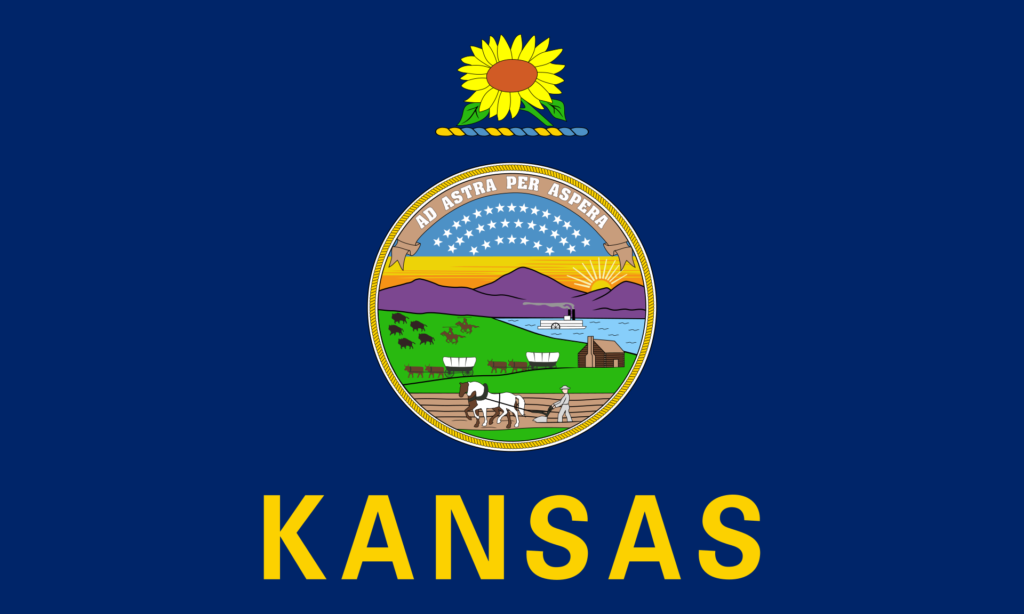
    The Sunflower State

    Kansas is experiencing a healthcare shortage in its rural areas. On April 22, 2022 Governor Laura Kelly signed Senate Substitute for House Bill 2279, a bipartisan bill, which expands the role of advanced practice registered nurses (APRN’s) removes barriers for them to practice independently. Governor Kelly stated that House Bill 2279 “will empower APRN’s to decrease local and reginal care gaps.” Under HB2279, APRN’s are required to comply with the Federal Drug Enforcement Administration requirements for safely prescribe controlled substances, as well as maintaining malpractice insurance and national certification for licensure as an APRN.

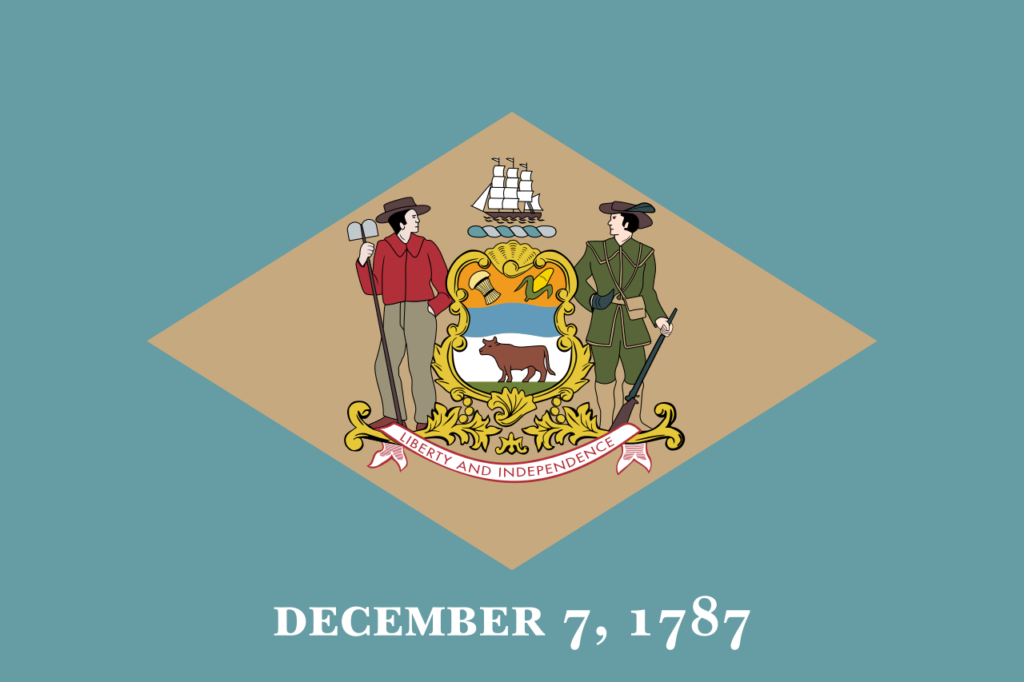
    The First State

    Governor John Carney signed HB141 and H21 into law on August 4, 2021, improving access to primary healthcare to the 1 million residents of Delaware. Bethany Hall is Delaware’s Lt Governor and a nurse. When both HB141 and H21 were approved by 20-1 votes, Lt. Governor Hall was present presiding over the state senate.

    HB141 allows NP’s and APRN’s to practice to the full extent of their training removing the prior oversight contract previously needed between a physician and an NP. Some employers in Delaware may still require a physician NP practice contract. HB 21 allows for a ‘multistate” licensure entering the APRN interstate licensing compact. North Dakota and Delaware are the only 2 states to pass legislation even though 37 states are members of the Nurse Licensure Compact for both Registered Nurses and Licensed Vocational Nurses. AARP recently conducted a study in Delaware and found that 86 percent of the senior residents of Delaware stated that having greater access to healthcare was important to them.

    States on the FPA Horizon

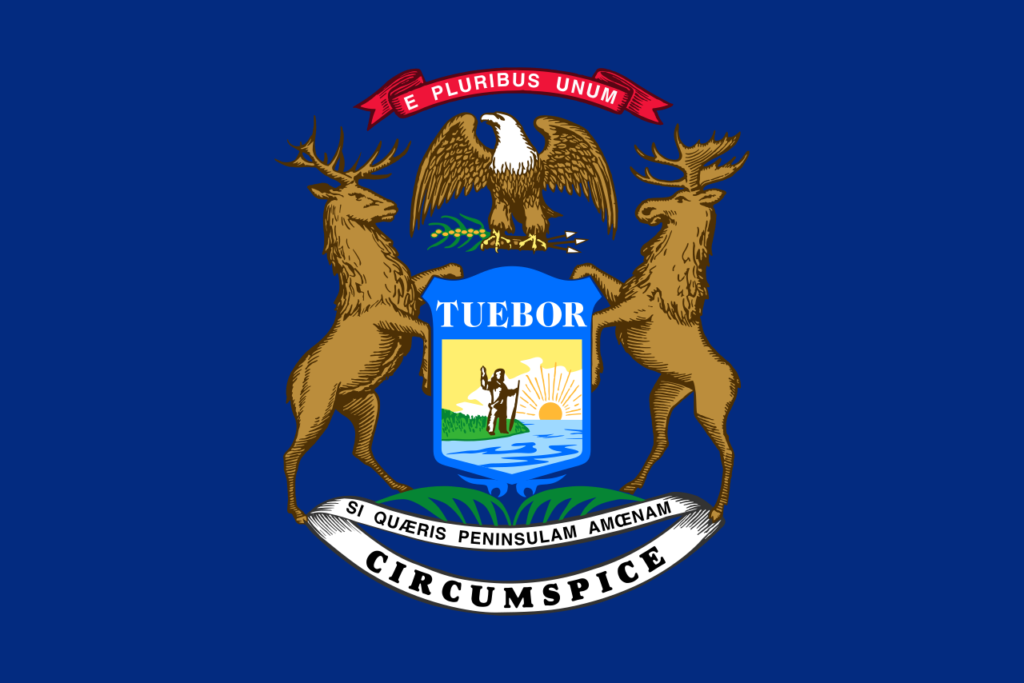
    The Great Lakes State

    Michigan introduced SB680, a bill allowing FPA to NP’s on October 5, 2021. The bill is sponsored by Senator Rick Otman and co-sponsored by Senator Jeff Irwin, Senator Sylvia Santana, Senator Jim Runestad, and Senator Tom Barett. The bill will amend Public Act 368 0f 1978, inserting and changing language which states “The administrator may issue a controlled substances license to an individual licensed as a registered nurse under part 172 if the individual has been granted a specialty certification as a nurse practitioner by the Michigan board of nursing under section 17210.”

    Improving Access to Healthcare Through FPA

    The U.S. is facing a significant healthcare crisis with physician shortages in primary care and psychiatry. Currently, there are more than 355,000 licensed NP’s in the U.S. who provide healthcare in communities of various sizes and demographics nationwide. NP’s are known to provide a high level of service and care to over 1 billion patients a year. Research shows that states who adopt FPA have a better advantage to improve access to healthcare, address healthcare disparities as well as increase their workforce.

    MedCare Staffing Providing the Highest Quality of Healthcare Providers

    Placeholder for test blog

    MedCare Staffing provides a hands-on professional leadership team. Whether you are a healthcare provider looking to work locum tenens or you are looking to hire healthcare coverage, MedCare Staffing offers dedicated professional support through the entire tenure. With 70 years of combined recruiter experience, we have a reputation for success. To speak to a recruiter today click here.