Category: Uncategorized

  • The Rude Patient

    The Rude Patient

    No matter what type of specialty you practice, a strong and healthy therapeutic relationship is essential to gaining patient trust and compliance, hence leading to positive health outcomes for your patients. Nonetheless, there are many days when due to unpleasant doctor-patient interactions and rude patients, the workday may feel like a struggle and drain our energy and enthusiasm. Unfortunately, this scenario is not uncommon and can sometimes feel like the norm. According to the American Academy of Family Physicians, https://www.aafp.org/PUBS/FPM/issues as many as 15% of patient physician encounters are rated difficult by the treating Physician.

    The Disconnect

    As it turns out, many patients have also come to feel their healthcare provider is not showing the expected kindness, caring, and courtesy they once enjoyed. Patients go to their doctors wanting to be heard and expect their doctor to understand their particular situation. According to statistics put forth by United Healthcare, most doctors only listen to their patients for 11 seconds before interrupting them. Many times, patients receiving their diagnosis, feel anxious because they perceive they have little or no control over their care plan. They also feel that at the end of the visit, they have not understood their diagnosis, often reporting that their healthcare provider explained the diagnosis and plan too fast. Virtual healthcare can also make patients feel helpless and scared, because often patients will receive their test results through their patient portal before a provider can review their significance with them.

    First Impressions Count

    According to the AAFP, http://www.aafp.org./PUBS/FPM/issues/2017/0900, an otherwise pleasant patient may behave rudely and become angry by the time they see a physician due to how they are treated by front office reception staff.

    They may become annoyed because the waiting room is too cluttered or noisy. Patients may be short with their provider because of having to wait in exam rooms that may be too cold or too hot. They may feel overly nervous due to language or literacy concerns. Therefore, it is crucial to review important points of contact within the practice and anticipate any possible environmental factors that may make patients feel uneasy and affect the therapeutic experience.

    The Types of Difficult and Rude Patients

    While all difficult patients can make getting through the day an arduous task, they are not problematic for the same reasons. There are many facets that can contribute to the patient becoming rude, pushy, and even potentially aggressive and violent.
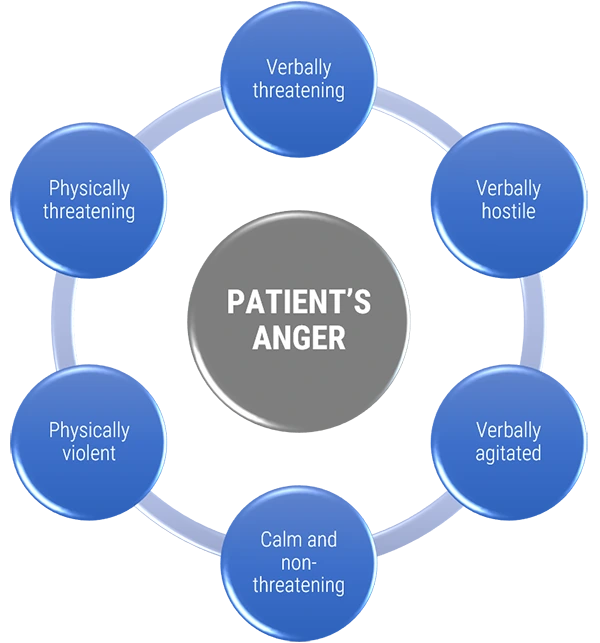
    So, Who Are the Players??

    The Manipulative Patient

    They may threaten legal action if they do not get their way. Some will bribe or threaten their physician with good or bad reviews based on getting what they want. They may even threaten to harm themselves. They tend to struggle with personality disorders. The key here is to remember that they are actually playing on your emotions.

    Therefore, it is important to keep calm and remain self-aware when dealing with these types of patients. Often written forms that patients can read and sign may set healthy boundaries and establish expectations in writing.

    High Utilizers

    These patients are known to everyone in the office or clinic due to their frequent visits. These patients, although no more or less important than others, will take up multiple appointment slots to discuss medication questions, or to consult on occasional symptoms, or to find out if the medical information they were given by other healthcare providers, or their friends and family is correct. They likely suffer from anxiety or loneliness or both and may have somatization disorder.

    The Somatizing Patient

    As mentioned above, they can require multiple visits, calls, or emails to address an ongoing array of vague signs and symptoms. They have likely seen several other physicians in multiple settings and report having “fired” them because the urgent care, emergency room, and other primary care providers they consulted did not agree with them and did not take them seriously.

    The key to maintaining a therapeutic relationship with these rude patients comprise of the three C’s: a) compassion, b) a calm demeanor on the part of the healthcare provider, and above all c) a caring attitude that addresses their concerns.

    It may be helpful to set up  regularly scheduled visits and address concerns that will inevitably arise. Confronting patients with a dismissive attitude and telling them not to worry or it is all in their head never works.

    The Angry or Defensive Patient

    There are, definitely, a variety of factors that may contribute to making a patient angry or defensive. They may be angry about waiting too long to be seen, or perhaps with a friend or a co-worker prior to their visit. Anything may have gone wrong in their day, and they lack the emotional maturity to remain courteous to you or your staff. They may feel they have been mistreated over the phone or by the front desk staff. But, whichever the cause, you can become the person they direct their anger toward.

    The good news is in most instances there are many ways to address the situation, and hopefully steer the visit toward a satisfactory outcome. There are ways in which  to respond to such patients that can calm them and help staff and physicians maintain an optimistic and resilient attitude as they continue their work. Keep in mind that even though you are their preferred target for the moment, you may not be doing anything wrong.

    The Non-Compliant Patient

    These rude patients tend to suffer chronic diseases, such as hypertension, heart disease, diabetes mellitus, hyperlipidemia, etc. You may spend many visits listening to them, educating them, and motivating them. Your staff may spend time and effort working on prior authorizations to help these patients avoid high co-pays. Your staff may even spend hours on authorizing multiple specialty referrals. All of this, only to find out on a follow up visit that they have not even picked up the much-needed medications and have not followed up with the appropriate specialists that should have been an integral part of their medical care.

    The Non-Compliant Patient

    They will cancel and will no-show for many appointments, arrive late, and go as far as to claim no one told them their prescription was ready or their imaging order was authorized. These patients typically claim they have “lost” the mammogram order, the x-ray order, or their lab order, and hence have not completed their needed studies. They may place blame and responsibility on their medical provider and office staff. All of this can be very frustrating and lead to multiple duplicative work.

    Unfortunately, there is no medical practice that is spared. The key is to remain aware and avoid becoming emotionally involved in the outcome when it comes to the non-compliant patient. Instead, employ multiple automated reminders and document when the patient has been informed about their care plan. Utilizing email, text reminders, handouts, visit, summaries, and other forms of communication can really help. Remain calm and be ready when the patient decides to face their illness and take responsibility for their health.

    How to Create a Therapeutic and Respectful Alliance with Patients

    The above-described patients can sometimes baffle the most seasoned physician. Therefore, it is best to always refer to the code of medical ethics. Below is the list put forth by the American medical association. https://code-medical-ethics.ama-assn.org/ethics-opinions/patient-rights.

    Physicians must serve as patients advocates and represent patients’ rights which include:

    1. The right to courtesy, respect, dignity, and timely responsive attention to his or her needs.
    2. To receive information from their physicians and to have an opportunity to discuss the benefits, risks, and costs of appropriate treatment alternatives, including risks, benefits, and costs of foregoing treatment. Patients should be able to expect that their physician will provide guidance about what they consider the optimal course of action for the patient based on the physicians’ objective professional judgment.
    3. To ask about their health status or recommended treatment when they do not fully understand what has been described and to have their questions answered.
    4. To make decisions about the care the physician recommends and to have those decisions respected. A patient who has decision making capacity may accept or refuse any recommended medical intervention.
    5. To have the physician and other staff, respect the patient privacy and confidentiality.
    6. To obtain copies or summaries of their medical records.
    7. To obtain a second opinion.
    8. To be advised of any conflict of interest their physician may have in respect to the care.
    9. Patients should have the right to continuity of care and should be able to expect that their physician will cooperate in coordinating medically indicated care with other healthcare professionals and that the physician will not discontinue treating them when further treatment is medically indicated without giving them sufficient notice and reasonable assistance in making alternative arrangements for care.

    The Last Resort

    There will be times that the inevitable may happen despite all the effort put forth to maintain a mutually respectable and therapeutic relationship. 

    In such situations, maintaining a courteous and professional demeanor and remaining calm without allowing patients to trigger any inappropriate behavior on your part is crucial. 

    It is best to inform the rude patient that you will be discharging them from the practice in person with an office manager present. Additionally, informing patients in writing that you will be discharging them from the practice is mandatory. Let them know that you care about their health and will be available for a period of 30 days for any emergencies that pertain to their care plan until they find a new medical provider to care for their needs.

     At times, the most therapeutic decision can involve discharging the rude patient from the practice to allow them to seek care with an alternative medical provider that the patient may prefer over you.

    In the end, knowing how to respond to each patient and trying to deliver personalized care with an understanding and compassionate attitude can go a long way in preventing a break in the therapeutic bond.

    It is important to keep in mind that discharging a rude patient does not reflect on your ability to deliver excellent medical care.

    As the saying goes, there are times that patients make us feel contented and happy when we see them in our offices and there are times that we feel equally happy when they depart from our office.

    If you are ready for a change of pace from your current practice, give locum tenens a try for a little more freedom! Click here to see what we have available, or to speak to our great recruiters, fill this out

  • Fun Times! Adding More Fun in Your Life

    Fun Times! Adding More Fun in Your Life

    Fun? FUN!!! I remember years ago when I worked for a pharmaceutical company as a Nurse Marketer, I would get in trouble all the time. The job was dull. A huge change from working in Pediatrics for the last 15 years.

    Why was I getting in trouble you ask? For one thing, I had a habit of telling jokes in front of my colleagues and pranking my former boss. At the time, I was also performing stand-up comedy and comedic storytelling on various stages in Hollywood, California.

    I felt like a fish out of water in the pharmaceutical world. I was a Pediatric Nurse Practitioner working with a bunch of people wearing suits who talked like robots. It was no fun!

    Hiring me to work in the pharmaceutical industry is kind of like hiring a clown to perform at an old folk’s home. I really didn’t fit in. To this day, I’m not sure why my former boss, a pharmaceutical sales manager and not a nurse, hired me. Perhaps he hired me because I was ‘fun!’

    Having Fun Makes Us Happy

    Of course, we all could use more fun in our lives! Americans are constantly in pursuit of happiness. Catherine Price, the author of the book “The Power of Fun. How to Feel Alive Again,” suggests that having and incorporating more fun in your life will produce more happiness. She further suggests that having fun will increase the likely hood of feeling good in the future.

    Depression Is an Epidemic

    Overall, depression in the United States is on the rise. At least 10 % of Americans currently suffer from depression. Additionally, researchers are claiming that depression has now reached epidemic levels equivalent to the flu. Surprisingly, from 2015 to 2020, depression was ranked the highest in adolescents aged 12 and older. The cause of depression has been blamed on the increased feeling of helplessness and economic distress. Furthermore, many researchers speculate the cause of depression is an increased use of screen time and a lack of human social interaction.

    Technology and Infinite Distractions

    Our brains have been hijacked with a variety of meaningless distractions. Many people are addicted to their smartphones and devices. In essence, technology has taken over as a main source of entertainment and distracts us from life leaving many to feel dull and dead inside. Catherine Price writes in her book refers to this in her book as being ‘fake fun.’

    Fun Helps Us Flourish

    Catherine Price interviewed many researchers when she wrote “The Power of Fun.” She found that “When humans flourish, they are in a state of optimal human functioning in which we feel engaged, open, purposeful, self-accepting, resilient, robust, motivated and satisfied. “

    When humans are in ‘survival mode,’ fight or flight, or working to live, we tend to get stressed which may lead to depression. We are not in flow. And that’s when our bodies may start to break down in a state of ‘dis-ease.’

    Maslow’s Pyramid

    According to Maslow’s Hierarchy of Needs Pyramid, the basic human needs, located at the bottom of the pyramid, are physiological requirements and safety which include food, water, warmth, adequate rest, security, and physical safety. When many people are in work mode, all they can do is stay stuck at this level.

    Undoubtedly, to climb up Maslow’s Hierarchy of Needs pyramid and achieve ‘self-actualization’ achieving one’s true potential, we need to include friendships, belonging, love, and increased self-esteem to allow us to grow and flourish.

    Making True Fun A Priority

    In Stanley Kubrick’s “The Shining” protagonist Jack Torrance, a burnt-out writer, sits at a typewriter and obsessively types out the same phrase over and over again, “All work and no play makes Jack a dull boy.”

    What makes the average working adult not have fun and become dull? Catherine Price states that she had succumbed to what she calls a ‘time value paradox,’ only placing priority and value on activities that brought in money or were productive. Once Catherine started to treat ‘True Fun’ as a priority in her life, she felt like she was flourishing.

    What is True Fun?

    “The times we feel most alive, those that make up our best memories are moments of play,” states Stuart Brown, founder of the National Institute for Play. For children, the art of play and having fun is normal and necessary for their brain development. But as we grow up to be adults, for some reason play and having fun are no longer seen as important. Brown describes ‘play’ as anything that can be absorbing and purposeless.

    Price describes ‘True Fun’ as a mood-boosting and energizing state. Some signs to watch for include:

    • Laughter
    • A sense of release/ freedom/letting go
    • Feeling like you’re having a special shared experience
    • Losing track of time
    • Feeling free from self judgment and self-consciousness
    • Feeling like you’ve stepped out of the normal
    • Being fully absorbed into the present moment
    • Not caring too much about the outcome
    • A feeling of childlike excitement and joy
    • A positive boost in energy
    • Feeling yourself

    How to Add More Fun to Your Life

    The best thing to do is take a self-inventory and evaluate what your passions, interests and hobbies are. Whether it’s playing with Legos, painting, taking guitar lessons, enrolling in a  storytelling class, or experimenting with standup comedy, you should be having FUN.

    When you pick up a new hobby and or passion, make sure you are doing it for fun. I have picked up many exciting interests. In the beginning, they were fun, and I even found myself in that ‘true fun’ state. But over time some of these activities were no longer fun. I gave myself permission to drop them or take a break. Sometimes, I explore another type of fun which helps to evolve and expand my creativity.

    Are you looking to add more fun and excitement to your career? Are you looking to add travel and adventure to your life? MedCare Staffing has a variety of long-term and short-term locum tenens assignments. Click here for more information.

  • Don’t Let the Holiday Blues Get You Down

    Don’t Let the Holiday Blues Get You Down

    The holiday season is in full swing. It’s the “most wonderful time of the year.” A time for parties and getting together with family and friends. It’s a time for having fun.

    Although, for some people, the holiday season can be dreadful. The mere scent of nutmeg and pies baking in the oven can trigger a person’s mood. Feeling blue during the holiday season is a normal phenomenon.

    What Are the Holiday Blues?

    There’s a high expectation placed on being happy during the holidays. It’s not just a song that Elvis Presley made famous. The added stress of shopping, attending social events, baking the perfect holiday cookies, and decorating your home along with planning family dinners can make people feel uncomfortable.

    The American Psychological Association states that 38% of people surveyed complain of increased stress during the holidays, which can lead to increased physical illness, anxiety, and substance abuse. The number of alcohol fatalities increase during the holiday season.

    Approximately 64% of people who suffer from diagnosed mental health issues state that their symptoms worsened around the holidays.

    In most cases, symptoms caused by the holiday blues can be temporary.

    SAD

    Seasonal Affective Disorder (SAD) is a natural health disorder caused by a lack of sunlight. In parts of the world that experience decreased sunlight during winter months, approximately 10 % of the population is affected by SAD and presents with symptoms.

    The body’s natural circadian rhythms and the internal clock are upset due to decreased sunlight. Symptoms can start in adolescence and are more common in women than men.

    Some signs and symptoms of SAD include sleeping too much, increased appetite, weight gain, decreased energy, low concentration levels, loss of interest in work and other activities, slow movement, social isolation, unhappiness, and irritability.

    Symptoms can improve with light therapy. A lamp with a very bright light that mimics the sun works well. Treatment starts in November and the early winter months before symptoms manifest. Some side effects of light therapy include eye strain, headache, or mania. Et Symptoms usually get better when the seasons change.

    Although there is a risk for self-harm during the holidays, according to NAMI, it’s a myth that suicides increase during the holiday season.

    Common Stressors

    -Family and social dynamics
    -Unreasonable expectations
    -High pressure to be in the ‘holiday spirit.’
    -Overeating
    -Ability to maintain diet and exercise routines
    -Taking off time from work
    -Financial Stress-Spending more money than usual
    -Working too much
    -Intense travel plans
    -Getting sick
    -The economy

    Pay Attention to the Signs and Symptoms

    Signs and symptoms can begin in November and last until the beginning of the New Year.

    -Feeling irritable
    -Feeling overwhelmed
    -Trouble concentrating
    -Lethargy
    -Trouble sleeping
    -Lack of joy during happy times
    -Impulsive behavior
    -Procrastination
    -Self-isolation

    Loneliness and Social Isolation

    The holidays are full of scenes of people spending time with loved ones drinking eggnog by the fire and singing holiday songs. Loneliness during the holidays is common. Many older people tend to isolate themselves or may suffer the loss of a loved one. Lack of support or feeling loved can also lead to social isolation.

    Certain things like seasonal songs, various holiday movies, or even certain aromas can trigger people who experience loneliness during the holidays. People remember past partners, children, or careers. Thoughts and feelings can also trigger unpleasant moods.

    Kids Also Experience the Holiday Blues

    Children may have high expectations around the holiday season. Movies and social media advertise picture-perfect holidays. A child’s mental image around the holidays may not match their reality, potentially causing a depressed mood.

    Setting realistic goals and making holiday plans while incorporating children in the decision-making for the season can help parents deal with possible mood changes. Establishing family budget expectations for the holidays and having open conversations with children can help.

    Parents need to differentiate when their children feel a little blue versus having a depressive episode. The darker days of winter can also increase gloomy moods in kids. The highest rate of child psychiatric admissions occurs in the winter months. If a child is feeling sad or withdrawn for more than two weeks and the child or teen is having problems concentrating in school, it’s best to seek the help of a healthcare professional.

    Conquering Sadness

    A recent study on sadness during the holidays came up with a quirky and creative way to deal with uncomfortable feelings. The study uses the Disney-Pixar movie ‘Inside Out,’ where the feelings from Joy to Sadness of a little girl become personified. Much like the movie, study participants picture their sadness as having human traits. The study participants were able to alleviate their symptoms and have more self-control. When sadness becomes a ‘person,’ participants could easily detach from the feeling.

    Reframing an experience can also be a powerful technique to help harness your coping skills. Exploring how interpreting specific experiences and finding that your interpretations are problematic can help you shift them for a more positive experience. Reframing the experience to a more positive one can help you move your mood and current external reality.

    Take Charge of Your Moods and Shake Off the Holiday Blues

    -Put yourself and your mental health first
    -Reach out and watch out for each other
    -Talk to someone verbally instead of texting
    -Create new holiday traditions
    -Permit yourself to go somewhere where there are no triggering memories
    -Take a walk outside
    -Reread greeting cards
    -Look forwards to the future instead of looking backward into the past
    -Be patient
    -Keep expectations low and realistic
    -Set realistic boundaries with family members
    -Take short-term mental health problems seriously
    -Set healthy boundaries with friends and family when needed
    -Avoid drinking alcohol when feeling depressed or down

    MedCare Staffing: Travel and Add Some Spice to Your Life

    Are you looking to add more diversity to your career? Have you considered making a temporary or long-term shift that can help you transform into something better? MedCare Staffing has many long-term and short-term locum tenens assignments. Click here for more information.

  • NP’s Rising to Meet Patients Needs

    NP’s Rising to Meet Patients Needs

    Happy National Nurse Practitioner Week! November 13-19, 2022

    It’s National Nurse Practitioner Week. Nurse Practitioners are a vital resource to the healthcare community, with over 355,000 currently licensed to practice in the US.

    A Nurse Practitioner is a nurse with a master’s degree and who completed a graduate-level education at a university. All NP’s are registered nurses who the Board of Registered Nursing licenses in the state where they may be practicing. NPs have an expanded scope of practice over the traditional registered nurse role and may vary from state to state.

    NP’s bring clinical expertise, leadership, and robust solutions to the challenges experienced in the healthcare universe. One of the main focuses of the NP profession is to reduce healthcare disparities with patient-centered care at the heart of the practice.

    Bridging the Gap

    The COVID pandemic revealed many cracks in an already fragile healthcare system. The disease burden was high, while medical equipment, hospital beds, and personal protective equipment resources were low. A lack of fairness regarding healthcare accessibility was found to exist primarily in the lower socioeconomic populations and rural areas. Once these patients were diagnosed with COVID, morbidity, and mortality rates were higher due to a lack of accessable healthcare.

    Several policy changes emerged during the COVID pandemic. This catapulted the advanced practice role of the NP forward into more extraordinary evolution. Legislative changes were made allowing NPs to work to the full extent of their training and licensure.

    Full Practice Authority

    Nurses should practice full extent of their education and training. A recent study found that the main barriers in the practice guidelines for NP’s are in states with limited practice authority, further restricting patient’s access to healthcare.

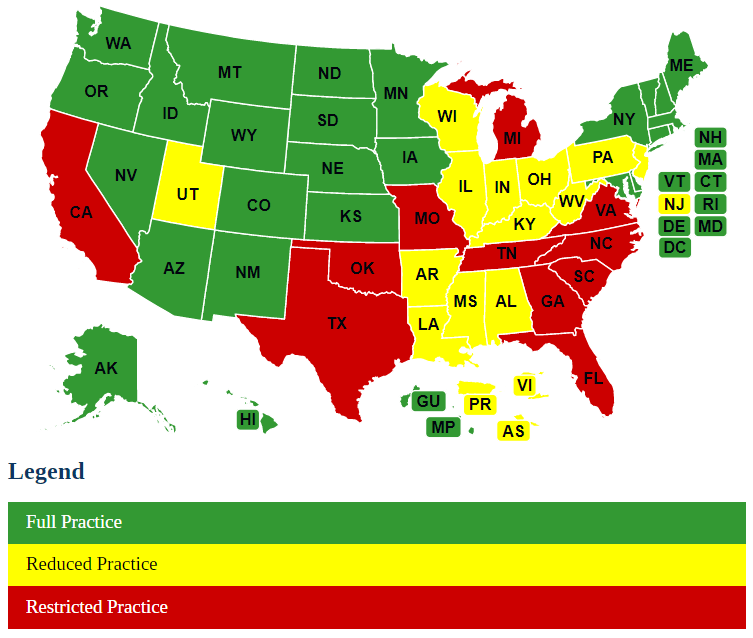
    Full Practice Authority (FPA) authorizes nurse practitioners to evaluate patients, diagnose, interpret, order diagnostic labs, and initiate and manage treatment. Prescribing medication is also included in the FPA under the board of nursing in each state. (For a complete list of FPA States, please click here)

    Quality and Cost-Effective Healthcare

    NP’s have a unique approach when it comes to healthcare. Care focuses on the well-being of the whole person, with particular attention on disease prevention, health promotion, and health education.

    Various studies show NPs provide a 29 % reduced cost to patients compared to physicians. The same survey found that NPs are more inclined to refer and recommend patients for health education, counseling services, and smoking cessation counseling as compared with patients seen by physicians.

    Specialties of Practice with Primary Certification

    According to the American Academy of Nurse Practitioners, specialties with primary certifications can be found in:

    • Family Practice
    • Adult Medicine
    • Adult-Gerontology- Primary Care
    • Geriatric disorder Adult Gerontology-Primary Care
    • Gerontology
    • Psychiatric-Mental Health
    • Women’s Health
    • Pediatrics
    • Neonatal
    • Pediatric Acute Care.

    A Valid Asset in Long-Term Care Facilities

    Long-term care facilities were hit hard during the COVID pandemic. A recent study revealed that many Medical Directors in LTC facilities worked virtually to reduce the risk of transmission while NP’s saw their patients in person. The study also found that NP’s were pivotal in containing the spread of COVID in LTC facilities, helping out where there was a need, extending support to patients and families, and acting as liaisons in fragmented areas.

    High Demand for Psychiatric NP’s

    Mental and behavioral health disorders are on the rise. On average, 70% of primary care patient visits are for mental health issues. Approximately 13-20 % of children in the United States are diagnosed with emotional, behavioral, or mental health disorders daily.

    Psychiatric Nurse Practitioners are in high demand, especially in lower socioeconomic areas and Federally Qualified Clinics. Psychiatric NP’s have advanced degrees in psychiatric mental health nursing and apply the nursing process to patients and families with behavioral health and psychiatric disorders. Many studies show that integrating behavioral health services like substance abuse and mental health services has drastically decreased anxiety and depression.

    Virgin River series. Netflix 2022.

    Netflix Promoting NPs

    The Netflix show ‘Virgin River,’ now in its 4th season, is the perfect example of NP’s servicing rural areas of the United States. The protagonist is a nurse practitioner searching for a fresh start who moves from Los Angeles to a rural part of California to practice as an NP.

    The Outlander series, also on Netflix, features a nurse as the main protagonist who time travels back 200 years. At one point, she also becomes a doctor. Perhaps you can say she was a modern-day nurse practitioner.

    The Future of Healthcare Sustainability

    According to the United States Bureau of Labor Statistics, the role of the Nurse Practitioner will grow by 40% by 2031. NPs are not only healthcare providers; they are mentors, educators, researchers, and administrators. They possess a dynamic knowledge base that spans from academia to clinical practice.

    According to The American Academy of Nurse Practitioners, over 1.6 billion visits are made to NP’s every year. Post-visit, patients report an extremely high level of satisfaction with their care.

    NPs are in a unique space to help mold healthcare policy and take positions as leaders to help guide elected political officials in the event of future pandemics. The ICAN (which stands for improving care and access to nurses ) act has been introduced into legislation which will allow for greater patient access to nurses.

    Psychiatric NPs are in high demand and can teach FQHCs and community clinics to integrate behavioral health services into primary care.

    Further legislation of Full Practice Authority needs to occur in all 50 states with nationwide approval of the APRN Compact Legislation. More Nurse Practitioners are valuable in underprivileged and rural areas of the United States where healthcare access is difficult.  

    Travel and Explore the United States: Give Locum Tenens a Shot

    You may not be able to time travel on a locum tenens assignment, but you can explore new and rural places across the United States. If you’re looking to make a temporary or permanent change in your healthcare career, MedCare Staffing offers a variety of locations and assignments. Click here for more information.

  • Burnout, a Problem Worth Solving

    Burnout, a Problem Worth Solving

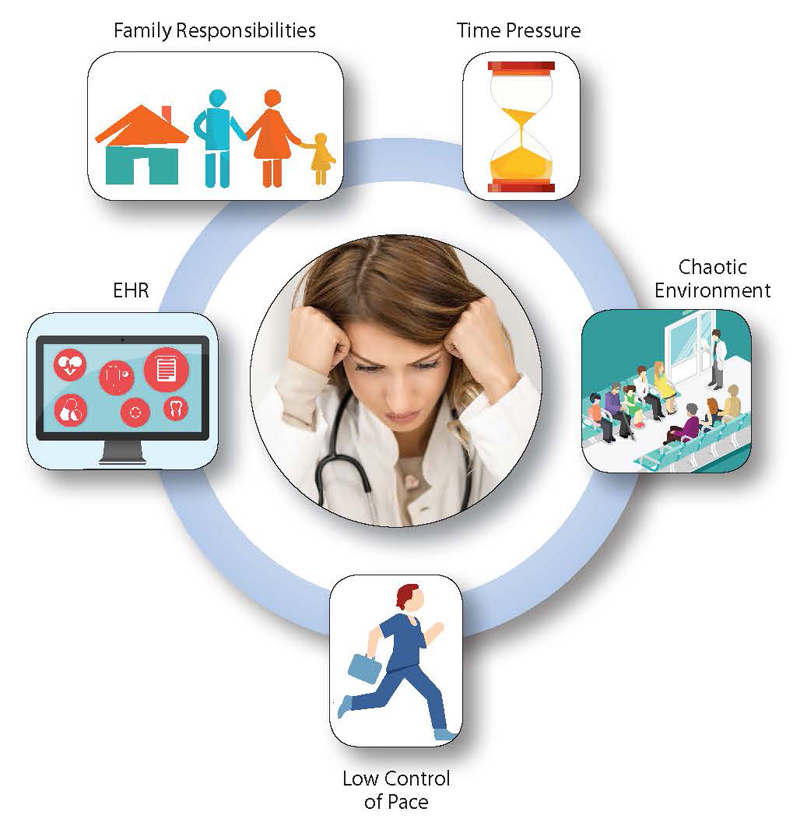
    It is a typical day for Dr. Green, as she arrives at her large institution’s urgent care department. She has decided to arrive an hour early, 7:00 AM instead of her usual 8:00 AM, to finish her charting from last night’s shift. Normally, she tries to keep up with her charting on EMR (Electronic Medical Record), but last night was especially hectic as two doctors called out sick. The last minute acute abdominal case and sickle cell crisis patients who arrived three minutes prior to closing kept her working well past midnight. Since she lives 110 miles away from work, she ends up spending many nights at hotels, as she is too exhausted to drive back home to her family. This morning, she is on a mission to finish charting and responding to outstanding emails, not to mention her administrative tasks. She is happy because she will finally be able to return the two missed calls from her husband. He should be up by now, she thinks, and cannot wait to say good morning to him and wish him a good day.

    The Pressure Cooker

    Before she has a chance to place coffee and breakfast on her desk, she is met by a triage nurse frantically explaining how a patient walked into the triage booth with bloody clothes requesting help after being stabbed during an altercation. Dr. Green drops her coat, scarf, and breakfast and springs into action. By the time the stabbing victim is stabilized, and hospital bound, she has nine patients on her queue who need medical attention. Three patients are already roomed, one of which swings the exam door open and begins yelling ,cursing, and threatening to sue “the incompetent doctor that doesn’t give a damn about sick people.” Dr Green checks all three patient charts, reviewing their past medical histories and their reason for today’s visit. The patient yelling obscenities has checked in for migraine treatment. Her list of medication allergies include six non-narcotic medications used to treat pain and migraine headaches. Also, there is an eight-year-old child in the adjacent room with complaints of vomiting, fever, and abdominal pain.

    Dr Green takes a deep breath and springs into action.

    Meanwhile, in the 3rd exam room sits a twenty-nine year old woman with her four year old daughter, who has checked in to have her child examined for signs of child abuse, after spending the weekend with her father two weeks ago. She did not seek care sooner because she did not have time to make an appointment. She also requests a full written report that she can show her divorce attorney.

    Tired from having slept only five hours and hungry from having skipped breakfast, Dr. Green decides to evaluate the eight-year-old patient suspected of acute appendicitis. As she walks past the migraine patient’s room who is shouting into her cell phone, she hears the patient say, “be careful in the parking lot tonight.” Dr. Greene suspects the patient is referring to her. She feels tension build-up in her temporomandibular joints.

    Before she can attend to her first patient of the day, she has been shouted at, cursed at, and threatened.

    Her charts from last night are still not done and a myriad of emails have not been answered, despite cutting back on her sleep to arrive early to complete her administrative tasks. She works in a department dubbed “the trenches” or “the pressure cooker” by other departments in her large organization because daily life for her and her colleagues often feels like a battle in the trenches. During the years she is worked there, multiple staff members have taken medical leave due to stress, depression, heart palpitations, and a host of gastrointestinal and musculoskeletal illnesses. A colleague has decided to apply for permanent disability due to health issues. Another previously well accomplished and respected doctor in the department is in rehab for prescription drug abuse and dependence. Many doctors have simply quit.

    Unfortunately, Dr. Green’s experience is not uncommon and days like these have become the norm, leading to a never-ending cycle of emotional and physical exhaustion. This never-ending occupational stress has resulted in an epidemic of physician and medical provider burnout.

    What Constitutes Physician Burnout?

    To understand this occurrence better, we must know what “Burnout” actually means. According to the World Health Organization, burnout is an occupational syndrome where the medical provider suffers from emotional and physical exhaustion. Typically, there is a sense of cynicism or negativity related to his/her job. Physicians experiencing burnout will often grapple with a lack of personal sense of accomplishment. They will distance themselves from the offending cause, in this case, their work and, most likely display a marked loss of interest in their work to avoid further stress.

    Additional Signs of Burnout

    1. Feeling drained and exhausted even when not working.
    2. Fatigue that does not respond to adequate rest, sleep, or even time off.
    3. Feelings of helplessness.
    4. Feeling trapped in one’s current circumstances.
    5. Changes in appetite and sleep.
    6. Procrastination and loss of motivation.
    7. Withdrawing from, and isolating from, work functions, family, and friends.
    8. Physical manifestations, such as increased muscle aches, headaches, gastrointestinal disturbances, and even lowered immunity.

    Who Is at Risk?

    In a word, everyone, given the current environment. Burnout does not spare physicians in training either. In a survey, 25% of medical residents said they would choose a different career if given the chance. Almost half of Gen X physicians report experiencing burnout. Another survey revealed approximately 46-50 % of physicians exbibit at least one of the symptoms of burnout. Unfortunately, this malady has not improved since the World Health Organization defined burnout in 2018.

    https://www.ahrq.gov/prevention/clinician/ahrq-works/burnout/index.html

    In 2020, 42% of physicians reported suffering from burnout. That number rose to 46% in 2021. To elaborate, the Medscape 2021 Physician Burnout and Suicide Report exposed an increase in this problem. Medscape surveyed 12,000 physicians across different specialties.

    The results were tallied and reported in various statistical breakdowns with the six most significant findings described below:

    1. The highest rates of burnout were reported among Critical Care, Pulmonary Medicine, Neurology, Infectious Diseases, Rheumatology, Internal, and Family Medicine.
    2. Female physicians reported higher rates of burnout. Not surprising, since most female physicians carry added childcare and domestic responsibilities. Additionally, female physicians often end up caring for elderly and sick parents.
    3. Work settings can often contribute to burnout. According to the National Institute for Health Care Management Foundations, medical providers who work at hospitals, large integrated systems, outpatient community clinics, outpatient academic settings, and multispecialty group practices report the highest rates of burnout.
    4. Burnout is not due to Covid! In the 2021 Medscape survey, 79% of the physicians surveyed said their burnout started before the pandemic. The remaining 21% of physicians who reported experiencing burnout as a result of the pandemic cited factors such as lack of adequate PPE, stressful work conditions due to Covid cases and watching their patients die alone without their families to comfort them. Of those surveyed, only 8 % reported treating Covid patients a source of burnout, compared to 58 % citing too many bureaucratic tasks as a burnout source.
    5. Sources of burnout are not a result of treating patients. Top causes of burnout included bureaucratic tasks, as mentioned previously. Long hours at work, 37%. Lack of respect from administrators/employers, 37%. Another top cause of burnout was insufficient compensation, 32%. The next common source of burnout was the lack of autonomy or control over physician medical decision making, 28%. Next in the survey results was the everlasting increasing computerization of the medical practice, 28%. Lack of respect from patients was another cited source, 17%. Yet another source of burnout was increasing governmental regulations pertaining to healthcare delivery, 14%. Out of all the cited causes, only 8 % of those surveyed cited stress from patient treatment.
    6. The causes of burnout have remained constant year to year. Regardless of the pandemic, physicians have cited the ever-increasing bureaucratic tasks as a top contributing factor. This is not to say that the pandemic did not worsen this problem. But the cracks in the system were already there; Covid-19 just deepened the already existing angst and hopelessness among health care providers.

    The Mental Health Toll of Burnout

    Ongoing helplessness and frustration on the part of overwhelmed, underpaid, and disrespected physicians have led to increased rates of depression. Unfortunately, medical professionals tend to feel inadequate if they ask for help. Other factors keeping affected physicians in an endless cycle of depression, depersonalization, and guilt, are the fear of being judged harshly by peers and superiors if
    they seek mental health services. Some even fear retaliation and damage to their reputation and careers
    if they are found to be suffering from depression and anxiety. Unfortunately, the consequences of not
    seeking help can lead to self-medication and even suicide. In fact, physicians are more than twice as
    likely to fall victim to suicide than the population at large.

    The Wide-Reaching Impact of Physician Burnout

    The ability to care for and cure what ails our patients is a source of great personal satisfaction and joy for medical providers. However, regardless of good intentions, it has been shown repeatedly that burned out providers become less effective in their communication with their patients. When information exchange between patients and doctors is compromised, the quality of care given to patients also suffers. What is more, burnout coupled with the pressure of time constraints has been shown to jeopardize patient safety and increase unintentional errors in the delivery of care. It stands to reason that when doctors keep “a stiff upper lip” and push past their fatigue, they can ignore patients’ feelings and wishes in the process.

    The adverse effects of burnout on quality medical care has been demonstrated in other countries as well

    According to the Canadian Medical Journal, physician burnout decreased productivity, as more physicians call out sick, forcing remaining colleagues to treat a higher number of patients in a shorter amount of time, which led to an increase in medical errors.

    Given this unsustainable scenario, one of two things happen. Either more physicians experience burnout and mental health problems, rendering them unable to provide the quality care patients deserve, or the remaining physicians choose to change jobs or careers in order to avoid burnout. Neither scenario is good for health care and will harm the overall health of our communities.

    “The Journey of a Thousand Miles Begins With One Step” – Lao Tzu

    It would not be an exaggeration to say that our health care system needs help!

    One way of improving health care is to start focusing on the wellbeing of healthcare providers. For example, if multiple surveys have shown that bureaucratic tasks take time away from the physician’s ability to focus on quality health care, shouldn’t administrators be held to task with regard to simplifying said tasks? Similarly, if long hours on EMR impact the time a medical provider has to interact with patients, shouldn’t we enable EMR to be user friendly and intuitive? In short, when we make physician health and wellbeing a priority, solutions can and will emerge.

    Until positive changes occur in the delivery of care, medical providers ought to keep a few things in mind:

    1. Remember who you truly are. Who you were before you became a medical provider and where you’d be in life if you didn’t possess the knowledge and credentials you have today.
    2. On your worst days, try and remember why you chose your profession and know even the worst days are only 24 hours long.
    3. Remember that one of your greatest super-powers is remaining calm. Practice this elusive skill and you will immediately notice the positive impact on your patients, your team, and your wellbeing.
    4. Keep in mind, that on your worst days, you still possess the power to treat an asthmatic child who is gasping for breath, you have the power to safely lower your patient’s high blood pressure and high blood sugar. You have the power to calm nerves and to treat pain. You have the power to change the trajectory of your patients’ lives.
    5. Remain hopeful that many advances in medicine are headed your way which may be a game changer in how easily you can diagnose and treat a particular disease.
    6. Practice self-compassion. It is perfectly OK to set aside time to try new hobbies, make exercise a priority, plan for time away from work, and even time just to be alone and rest. Start planning before experiencing any symptoms of burnout.
    7. Incorporate diversity into your medical practice. Consider a salaried part time position while you scale back from private practice. Consider a sabbatical in order to branch out into non-clinical projects, such as teaching or research. Look into an interesting locum assignment either in your area or in another state or country. Locum assignments allow for a great deal of freedom and flexibility, while providing a chance to practice medicine in settings that are new to you.
    8. Consider stepping down from a leadership position that no longer gives your life meaning. Conversely, step up to a leadership role.
    9. Complete your CME requirements in other states and countries if feasible.

    Above all, value your peace of mind and your health.

    There is no one else quite as remarkable as you are.

    To all health care superheroes, thank you for all that you do.

    Ela Grigorian 

    Check out my blog at www.thevitaminchannel.com !!

  • Flu, RSV, and COVID: Are We on the Verge of a Tridemic?

    Flu, RSV, and COVID: Are We on the Verge of a Tridemic?

    Several media outlets predict that 2022 will be the worst flu season since before the pandemic. Covid cases are slowly up ticking in many cities. RSV cases in children are also on the rise. Are we headed into a winter ‘tridemic?’

    The Main Concern: Healthcare Staffing Shortages

    Hospital and healthcare systems are still trying to recover from the pandemic and COVID surges. Many hospitals around the country are experiencing a nursing shortage. Physician’s covering emergency rooms are also in short supply. A pending ‘tridemic’ poses a great threat to the already ailing healthcare system.

    What’s New About the Flu?

    The CDC states that while the overall flue activity remains low, early increases in cases are being reported all over the country. The southwestern and southcentral areas of the United States report significantly high levels of activity.

    Flue trends in California are particularly rising compared to five years ago. According to Cal Matters, 6.6% of flu tests came back positive. Even Harry Styles had to postpone his California tour due to being sick in bed with the Flu.

    The CDC recommends a flu vaccine for all people over the age of six months. Flu vaccines for the 2022-2023 season are quadrivalent and will protect against four types of flu viruses, including two types of influenza A and two types of influenza B.

    For people between the ages of 65 years and older, the CDC recommends Fluzone, High Dose Quadrivalent, and Fluad quadrivalent vaccines.

    The effectiveness of the flu vaccine can vary from season to season. Pregnant women, infants, and the elderly are particularly at high risk for flu illnesses during the winter months.

    Do Onions Help Prevent the Flu?

    If you’re on Tiktok, you’ve probably heard about ‘Poshmamma’s’ onion recommendations against the Flu that have won her over 2.3 billion views. But do onions combat the Flu and other viruses?

    Believe it or not, people have used onions to combat viruses for centuries.

    Perhaps this tale stems from a story from 1919 about a farming family who placed onions around their home to combat the Spanish Flu. The legend states that none of the members of the family became ill. Although to date, there is no scientific evidence to support onions combating the flue or any other viruses. It is considered a ‘wives’ tale’ that is passed on from generation to generation and tends to go viral every winter.

    RSV: The Most Common Virus to Infect Children Worldwide

    If you work in Pediatrics, you know about RSV. Typically, RSV season begins in mid-September and lasts till mid-November. Respiratory Syncytial Virus (RSV) is the most common virus affecting children and some older adults worldwide.

    RSV presents in children as an upper respiratory infection. Common symptoms include cough, runny nose, sneezing, fever, or wheezing. Most children recover without worsening symptoms. If symptoms do worsen, inflammation can cause bronchiolitis and pneumonia, which may result in hospitalization.

    The Origins of RSV

    In 1956, RSV was first discovered in a group of chimpanzees suffering from colds and upper reparatory infections resembling hay fever. Once the virus was isolated it was called the chimpanzee coryza agent. RSV was later detected in children who had bronchopulmonary pneumonia.

    Who’s at Risk?

    The CDC reports that each year RSV leads to 58,000 to 80,000 hospitalizations in children younger than five years old. Elderly adults are also at risk for contracting RSV. Infants who are immunocompromised, born premature, or have cardiac issues are at the most significant risk of contracting RSV. Infants and young children under the age of 2 years old cannot clear their mucus secretions which makes them susceptible to upper airway obstruction causing difficulty with respirations.

    Treatment of RSV

    Supportive care includes lubricating and suctioning of the nasal airway to relieve nasal congestion, along with fever relief and adequate hydration. If a child is experiencing increased respirations and low oxygenation, they need oxygen and ventilatory support. Doctors might recommend hospitalization.

    RSV Prophylaxis and Vaccines

    The American Academy of Pediatrics recommends palivizumab be given as an immune prophylaxis to premature infants less than or equal to 29 weeks gestational age, born with chronic lung disease, congenital heart disease, or neuromuscular disorders.

    Pfizer has just released data from their phase 3 trial for their RSV vaccine that was tested on pregnant women. The vaccine is 82% effective. Pfizer plans to submit their data to the Food and Drug Administration towards the end of the year.

    COVID Updates

    COVID cases and hospital admissions are rising for the first time in several months. In the past two weeks, Nevada, Utah, and New Mexico have reported a 50% increase in COVID cases. Various hospitals around the United States report a 20% increase in COVID admissions.

    Variants

    The latest COVID-19 variants BQ.1, BQ.1.1, XBB, and XBB.1which, are all derived from Omicron and are highly transmissible. However, they also evade vaccine-derived immunity and infection-derived immunity. According to the National Institutes of Health treatment guidelines, only one monoclonal antibody treatment exists, and BQ.1 and BQ.1.1 are most likely resistant to Bebtelovimab. The drug is only recommended if people cannot take Paxlovid or Remdesivir. Although the virus can evade these treatments, they remain the first defense against severe SARS-CoV-2.

    Tips to Survive a Tridemic

    Get vaccinated

    Practice good hand washing

    Boost your immune system

    Stay hydrated

    Get adequate sleep

    Exercise in moderation

    Stay home from work or school if you are sick

    Wear a mask in heavily populated places

    Practice social distancing

    Looking for a Locum Tenens Assignment? Choose MEDCARE STAFFING

    Are you looking for locum tenens work, permanent opportunities, or staffing assistance for your facility? MedCare Staffing places physicians, advanced practitioners, pharmacists, and dentists in locum tenens, contract positions, and permanent jobs. Contact us now

  • The Best Ways to Combat Burnout and Enjoy a Healthier Work Life Balance.

    The Best Ways to Combat Burnout and Enjoy a Healthier Work Life Balance.

    “Working five days a week, nine to five. Charting patient information after work hours at home. Now my boss wants me to be on call for my patients two weekends a month. Oh wait, what about my husband and my 18-month-old child?” These were the protests left by a healthcare provider on a recent social media post. Burnout.

     Let’s face it, working as a healthcare provider is not getting any easier. It seems nearly impossible to pair that with raising a family, juggling friends and social obligations. It’s a perfect recipe for burnout.

    In a survey conducted in 2021, 52% of US workers stated that they are experiencing burnout. Work from home employees or virtual workers said they are working “much more” than before the pandemic. Unplugging after work is a challenge for many workers, with 27% reporting that they keep working at home. Many workers state that working more hours is due to the increased pressures from management, customers, and clients.

    Burnout

    Burnout- It’s a Socio-Psychological Phenomena

    Burnout can creep up on you slowly. One day you might wake up to find yourself transformed into a monstrous cockroach, much like the character Gregor Samsa in Franz Kafka’s famous play The Metamorphosis. Gregor’s transformation was blamed on his dreary job as a traveling salesman and his obligations to provide for his family. Basically, he was burnt out.

    Believe it or not, burnout is considered a ‘syndrome,’ a socio-psychological phenomenon that includes physical, motivational, and emotional exhaustion. The cause: chronic occupational stress. The clinical picture of burnout is multifaceted. It’s not just about your job or your family. It’s also related to the role you are playing in society. Is your work and home life bringing you joy? Are you being a productive member in society? Are you living life unconsciously on someone else’s terms?

    Negative Consequences

    Burnout is a set of somatic and psychosomatic disorders which are symptoms of social dysfunction. Healthcare providers commonly suffer from burnout due to the dedication and increased levels of empathy felt for their patients.

    Healthcare providers suffering from burnout are susceptible to increased medical errors and potentially higher malpractice rates. Poor work performance can also decrease patient satisfaction scores and lower quality care. Burnout can also have devastating effects with high healthcare staff turnover rates, increased alcohol and drug addiction, and a high risk for suicide.

    Tensed surgeon with hand on forehead sitting in corridor of the hospital

    Signs 

    Exhaustion

    Low emotional and energy levels are proceeding in a downward spiral. Healthcare providers may be running on fumes and asking themselves how long they can continue.

    Depersonalization

    Being detached from one’s mind, body, and mental processes. Subsequently, you may be observing your life from the outside. You may be using synoecism and sarcasm to talk about your patients. Emotionally you are unavailable to your patients and perhaps even your family.

    Lack of Efficacy

    Doubting the meaning of your work. You may question the purpose of your work, in addition, you may be critical of yourself, worrying that you may make increased errors.

    Causes of Job Burnout

    • Chronic Work Overload. Daily increases in patients seen on a daily basis.  Nurses handle significantly higher ratios of patients per person at the bedside, creating unsafe staffing. Burnout is inevitable with work politics, personality clashes, workplace bullying, and sloppy management.
    • Work-Life Imbalance. Work may take up most of your time, leaving very little time spent on family and personal activities that satisfy you. 
    • Monotonous Environment. Albert Einstein coined the phrase, “Insanity is doing the same thing repeatedly and expecting different results.” When a job is chaotic and dull extra energy is needed to remain focused and motivated.
    • Unclear Role Expectations/ Lack of Support. Insufficient resources, inability to influence job scheduling, and lack of resources needed to do your job safely can increase burnout. Lack of social support on the job and at home  can also increase your risk for burnout.  
    •  Speaking a Non-Native Language On the Job. Having to speak in a language on the job that is not your native language can cause increased fatigue. Non-native speakers experience increased fatigue from having to constantly monitor their actions on the job.

    Recognize the Physical Signs Before It’s Too Late

    Burnout may creep up on you slowly. You may start missing work deadlines, delay updating your licensing credentials, and attending continuing education courses to update your certificates. Recognizing the symptoms of burnout before you start turning into a “Kafka cockroach,” is key to shifting your reality and staying focused on the Job and your life. Some physical symptoms of burnout include insomnia, headaches, chronic fatigue, stomach aches, isolation, increased irritability, struggling with daily tasks, and depression. Ignoring physical signs of burnout may, in time, lead to more significant physical and mental health issues. These include elevated blood pressure, type 2 diabetes, low immune system, and increased susceptibility to various other illnesses.

    Tips to Stop Burnout

    Re-Evaluate Your Life

    Taking a self-inventory of your personal and professional goals is an excellent way to evaluate your life for balance. Some questions you can ask yourself include: Are you happy at your current Job? Additionally, what changes can you make to increase your happiness and satisfaction with your work? Are you working at home once your work day is complete? Can you disconnect easily from work and spend quality time with family and friends?

    Better Sleep

    Examine your sleep hygiene to optimize your sleep cycle. All things considered, treating sleep as a priority in your life is crucial to combating burnout.

    Exercise

    Various aerobic exercises like running can help increase mental focus and clarity. New research suggests that aerobic exercise helps you to recover from mental exhaustion and burnout.

    Take a Vacation

    Vacations can provide you with mental and physical rest. If you cannot take a whole one-week or more extended vacation, ‘microvacations’ may be a solution. Microvactions like a ‘normal’ vacation offer a change of scenery, even if it’s just for one day. They can reinvigorate your senses by sitting on a local beach, going on a hike, or sitting at a trendy café people watching. It’s best to be mindful when taking either a vacation or a microvacation so that you do not pick a venue that may trigger you to work.

    Mental Health

    The best therapies to help combat burnout include: psychotherapy and cognitive behavioral therapy (CBT), physiotherapy, pharmacotherapy, music therapy, hypnotherapy, and mind-body therapies. Telehealth services for mental health are also an option. They are gaining in popularity and are easier to access.

    Creative Outlet

    Studies show that engaging in creative outlets like music, visual arts therapy, movement-based creative expression, and expressive writing reduce psychological and physiological effects of burnout.

    Mindfulness

    The best way to start practicing mindfulness is to pay attention to something you do daily. Stopping in the middle of your day to take deep breaths can also bring you greater awareness of your surroundings. Courses on mindfulness-based stress reduce stress and burnout.

    Start a New Adventure and Give Locum Tenens a Shot

    Considering your options in your current work-life situation is key to combating burnout. Maybe you need to make a change and see new places. MedCare Staffing can provide a change of scenery, potentially clearing away the burnout in your work life. Click here to speak to a staffing representative today.

  • Your Guide to The Latest States Providing Full Practice Authority (FPA) to Nurse Practitioners

    Your Guide to The Latest States Providing Full Practice Authority (FPA) to Nurse Practitioners

    Covid-19 shined a light on the problematic healthcare system in America with over 83 million people lacking adequate access to primary care. Due to the growing Physician shortage, more states are granting Full Practice Authority (FPA) to Nurse Practitioners. According to The Complexities of Physician Supply and Demand: Projections from 2019 to 2039 the American Medical Colleges (AMC) states there will be a shortage of 37,800 to 124,000 physicians with in the next 12 years.

    Nurse Practitioners Bridging the Gap

    The NP role has been ranked  the number one “best healthcare job” for 2022 by U.S. News. NPs are registered nurses who are licensed by the Board of Registered Nursing in the state where they may be practicing. With an expanded scope of practice, the NP’s role can vary from state to state depending on the Full Practice Authority laws in that state.

    If it wasn’t for the great visionary Dr. Loretta Ford, the nurse practitioner role would not exist. Dr. Ford discovered that there was a need for healthcare providers in underprivileged communities. She then realized that nurses with expanded roles who gained specialized training to make clinical decisions on their own would be the perfect solution.

    With the passage of the Medicare and Medicaid legislation in 1965, the need for NP’s increased. A major barrier to practice was direct reimbursement due to NP’s not being licensed. NP’s started advocate for themselves at the state level beginning in the late 1980’s and early 1990’s. 

    Full Practice Authority

    NP’s have been lobbying for FPA and advocating for the expansion for their role since 1994. According to the American Association of Nurse Practitioners, Full Practice Authority (FPA) authorizes nurse practitioners to evaluate patients, diagnose, interpret and order diagnostic labs, initiate and manage treatments. This includes prescribing medications exclusively under the licensure under the authority of the state board of nursing.

    Current states with FPA include: Alaska, Arizona, Colorado, Connecticut, Delaware, District of Columbia, Guam, Hawaii, Idaho, Iowa, Kansas, Maryland, Massachusetts. Minnesota, Montana, Nebraska, Nevada, New Hampshire, New Mexico, New York, North Dakota, Northern Mariana Islands, Oregon, Rhode Island, South Dakota, Vermont, Washington. and Wyoming.

    The Newcomers

    The Golden State

    Due to the serious shortage of primary care physicians in California, AB290 granting FPA to NP’s was signed into law on September 29, 2020 by Governor Gavin Newsom. The main focus of AB290 is to improve quality access to healthcare. California’s FPA will go into full effect in January 2023. AB290 requires the California Board of Registered Nursing to define the minimum standards for an NP to transition to independent practice. Once that has been met, the NP can prescribe specific functions which include “ordering and interpreting diagnostic procedures, certifying disability, prescribing, administering, dispensing and furnishing controlled substances.”

    The Big Apple

    New York is now the 25th state to grant NP’s full practice authority. On April 9, 2022 Governor Kathy Hochul signed into the state budget of New York that NPs who have more than 3,600 hours of experience no longer are required to have a formal relationship with a medical doctor to practice. According to the AANP, NP’s in the state of New York can now evaluate patients, diagnose, order and interpret diagnostic tests, initiate and manage patient treatments as well as prescribe medications.

    Prior to waiving this law, New York NP’s had a “reduced” practice authority. NP’s were required to have a ‘written practice agreement’ with a physician in their specialty area. This stated that the physician would review patient records, make referrals, be on hand for consultations. Furthermore, if there was a disagreement, the physician would have the final word. Stephen Ferrara, DNP FNP-BC, president-elect of the AANP stated: “NP’s in New York, often times were required to pay physicians in order to have this contract agreement which did not serve the healthcare system very well. New Yorkers now have a greater advantage to access healthcare for both their physical and mental well-being.

    The Sunflower State

    Kansas is experiencing a healthcare shortage in its rural areas. On April 22, 2022 Governor Laura Kelly signed Senate Substitute for House Bill 2279, a bipartisan bill, which expands the role of advanced practice registered nurses (APRN’s) removes barriers for them to practice independently. Governor Kelly stated that House Bill 2279 “will empower APRN’s to decrease local and reginal care gaps.” Under HB2279, APRN’s are required to comply with the Federal Drug Enforcement Administration requirements for safely prescribe controlled substances, as well as maintaining malpractice insurance and national certification for licensure as an APRN.

    The First State

    Governor John Carney signed HB141 and H21 into law on August 4, 2021, improving access to primary healthcare to the 1 million residents of Delaware. Bethany Hall is Delaware’s Lt Governor and a nurse. When both HB141 and H21 were approved by 20-1 votes, Lt. Governor Hall was present presiding over the state senate.

    HB141 allows NP’s and APRN’s to practice to the full extent of their training removing the prior oversight contract previously needed between a physician and an NP. Some employers in Delaware may still require a physician NP practice contract. HB 21 allows for a ‘multistate” licensure entering the APRN interstate licensing compact. North Dakota and Delaware are the only 2 states to pass legislation even though 37 states are members of the Nurse Licensure Compact for both Registered Nurses and Licensed Vocational Nurses. AARP recently conducted a study in Delaware and found that 86 percent of the senior residents of Delaware stated that having greater access to healthcare was important to them.

    States on the FPA Horizon

    The Great Lakes State

    Michigan introduced SB680, a bill allowing FPA to NP’s on October 5, 2021. The bill is sponsored by Senator Rick Otman and co-sponsored by Senator Jeff Irwin, Senator Sylvia Santana, Senator Jim Runestad, and Senator Tom Barett. The bill will amend Public Act 368 0f 1978, inserting and changing language which states “The administrator may issue a controlled substances license to an individual licensed as a registered nurse under part 172 if the individual has been granted a specialty certification as a nurse practitioner by the Michigan board of nursing under section 17210.”

    Improving Access to Healthcare Through FPA

    The U.S. is facing a significant healthcare crisis with physician shortages in primary care and psychiatry. Currently, there are more than 355,000 licensed NP’s in the U.S. who provide healthcare in communities of various sizes and demographics nationwide. NP’s are known to provide a high level of service and care to over 1 billion patients a year. Research shows that states who adopt FPA have a better advantage to improve access to healthcare, address healthcare disparities as well as increase their workforce.

    MedCare Staffing Providing the Highest Quality of Healthcare Providers

    Placeholder for test blog

    MedCare Staffing provides a hands-on professional leadership team. Whether you are a healthcare provider looking to work locum tenens or you are looking to hire healthcare coverage, MedCare Staffing offers dedicated professional support through the entire tenure. With 70 years of combined recruiter experience, we have a reputation for success. To speak to a recruiter today click here.

  • Heat Related Illnesses

    Heat Related Illnesses

    A brief review of a very hot topic!

    In the past few years, climate change took center stage as we watched how our planet was ravaged by uncontrollable wildfires, torrential downpours, and ever-increasing record-breaking heat waves.

    It is fair to say that in order to live our lives, raise our families, and take part in activities that give our lives meaning, we are now forced to plan around volatile weather systems.

    Who among us have not experienced the frustration of a delayed flight, due to unstable weather? While we all know that we must make changes in how we grow our food and fuel our lives to decelerate climate change, we also need practical short-term solutions to an ever-growing quandary. In other words, what steps can we take to protect our health while we live, work, and play in the summer heat?

    For starters, we must know some basic but useful information: We should be able to recognize the difference between heat exhaustion and heat stroke. Both heat exhaustion and heat stroke need to be taken seriously as they, according to the CDC, account for the leading cause of death in athletes. Heat related illnesses also account for many cases of morbidity in the notably young, older athletes, construction workers, military personnel, and firefighters. 

    Who is at risk?

    A big part of successfully identifying and treating heat exhaustion and heat stroke is the ability to recognize who is at risk in the first place. In this regard, lifestyle is a crucial factor when it comes to the degree of vulnerability and simply knowing the professions most at risk of succumbing to heat related illnesses is not enough.

    Major risk factors

    Important predisposing factors include poor baseline physical fitness, lack of proper baseline hydration, improper clothing, and, even, alcohol intoxication. Other risk factors include acute illnesses such as severe gastroenteritis or a recent upper respiratory tract infection and unfortunately, the chronically ill are not spared either. Many are at increased risk of yielding to heat related illness. Some acquired and congenital conditions to keep in mind are disorders of anhidrosis, sickle cell anemia, heart disease, asthma, chronic obstructive pulmonary disease (COPD), and diabetes mellitus.

    Keep in mind that it is not just the conditions that pose the greatest risk, but the prescription and over the counter drugs taken as part of the treatment and management of these conditions that increase the likelihood of heat related illnesses. In particular, diuretics, heart disease and anti-hypertensive prescriptions, antidepressant medications, especially those belonging to the tricyclic antidepressant category all increase the risk of heat related illnesses. Other psychiatric drugs such as Lithium can pose a potential threat as well.

    Other factors

    Even simple over the counter antihistamines and decongestants can set anyone up for heat related illness. For example, it is not uncommon for a person with an underlying pulmonary condition who has an acute upper respiratory tract infection, to take multiple doses of over-the-counter cold medications in order to get through his/her workday as a construction worker, only to suddenly experience heat exhaustion.

    Lastly, those who have alcohol or substance abuse problems can definitely be more prone to quickly becoming ill when exposed to high ambient temperatures.

    In short, almost everyone you will come into contact with today can be at increased risk. 

    How to protect ourselves and others

    Now that we have established who is at risk, we must know how we can protect ourselves. If we provide patient care, how do we stratify the severity of illness and render the correct treatment?

    Differentiating illnesses

    Health care providers can distinguish between heat stroke and heat exhaustion through parameters such as core body temperature, mental status, airway and breathing, circulation, and by taking note of the skin of the affected person. We will discuss key differences that can help quickly differentiate between heat stroke and heat exhaustion. 

    With heat stroke the skin will appear dry whereas a person suffering from heat exhaustion will continue to sweat.

    People affected with heat stroke have very notable mental status changes, such as slurred speech and/or ataxia (loss of normal balance). They may appear obtunded or be hallucinating. They can present with seizures, delirium, and even coma. Thankfully, those experiencing heat exhaustion may only report headache, dizziness, and mild confusion that improves upon treatment. 

    Other factors include airway and breathing: Those with heat exhaustion may have tachypnea (rapid breathing rate), but there will be no airway compromise.

    With heat stroke however, there can be airway compromise due to altered mental status. 

    Other signs

    Other obviously critical signs include pulse, blood pressure, and temperature. People in heat stroke will have core body temperatures of 104  F to 105  F and have tachycardia (fast heart rate) and be hypotensive (have low blood pressure). On the other hand, those with heat exhaustion will have core body temperatures of less than 104  F and will have stable blood pressure despite having tachycardia. 

    Heat stroke will often present with vomiting and diarrhea, whereas only nausea and vomiting accompany heat exhaustion. Further, those with the latter may complain of headache and weakness due to electrolyte abnormalities but will not present with systemic shock as can happen with heat stroke. Other distinguishing features between heat stroke and heat exhaustion are that the former is complicated by rhabdomyolysis (the destruction of striated muscle cells); acute renal and hepatic failure; and disseminated intravascular coagulation (DIC) which is the condition that inhibits the body’s ability to clot and stop bleeding. 

    Treatment

    Given the many complications associated with these illnesses, prompt treatment is essential. According to the Wilderness Medical Society Guidelines, severity of illness can be mild, which includes cramps and edema. In this case oral fluid and electrolyte replacement along with passive cooling measures suffice. Elevation of extremities are helpful if there is edema. When heat exhaustion is the diagnosis, prompt removal from the offending environment, followed by evaporative cooling or conduction cooling is recommended. Conjointly, hypertonic fluid hydration is essential for fast recovery. Concurrent lab testing should be performed and should include complete blood count (CBC), electrolyte panel, renal and hepatic function panels, CK (creatine kinase), urinalysis, and coagulation studies (PT, PTT, INR). This set of lab data can correctly guide treatment, disposition, and  prognosis. 

    With severe signs and symptoms seen in heat stroke, prompt removal/evacuation from extreme temperatures is warranted while simultaneously supporting air way, breathing, and circulation. Intravenous hydration should begin immediately along with whole body conductive cooling or cold-water immersion. Consider  that cold water immersion can slow cooling if severe vasoconstriction and shivering ensue. Again, CBC, electrolyte panel, CK, troponin, renal and hepatic function panels, urinalysis, coagulation studies, drug screen panel, and cardiac monitoring will be required. Treatment of concomitant rhabdomyolysis, acute pancreatitis, acute liver and renal failure, gastrointestinal bleeding, encephalopathy, DIC, and other complications that can arise from systemic inflammatory responses will likely be necessary. 

    Prevention

    As with all illnesses, prevention is paramount. In the case of heat related illness, preparation is the best preventative measure to date.

    Here is a brief list of preventative measures to consider:

    1. Focus on optimizing overall fitness.
    2. Know  historical weather temperatures and plan accordingly.
    3. Avoid extreme heat and humidity. This is especially helpful for those with acute and chronic illnesses.
    4. If exercise or outdoor activity cannot be avoided, be sure to hydrate well before exposure and wear clothing with pre-cooling technology (cooling vests). Take frequent brakes and drink water.
    5. Recognize early symptoms such as excessive thirst, dizziness, fatigue, muscle cramps, and headache.
    6. When working outdoors consider cooling vests, hats, and other protective gear that can aid the body’s heat loss mechanism. Make use of wearable basal  body thermometers that are useful in both hot and cold climates. They may be able to alert the wearer before the onset of symptoms. Many of the aforementioned equipment can be made available to small and large businesses through various OSHA programs. 

    To recap, heat related illnesses account for days lost from work and school, morbidity, and even death. Recognition of mild to moderate illness and timely treatment can reverse many, if not all of the early signs and symptoms. Prompt evacuation and stabilization  of the heat stroke victim can mean the difference between life and death in many cases.

    As always, consider the health of our planet when purchasing food, goods, and services.

    Stay cool out there!!

    Ela Grigorian, MD

    thevitaminchannel.com

    Please be sure to listen to our Medcare Business Network podcast featuring Dr. Ela Grigorian and other great guests here!

  • What’s Driving ‘The Great Resignation’ in Healthcare?  Are You Ready to Quit?

    What’s Driving ‘The Great Resignation’ in Healthcare? Are You Ready to Quit?

    Healthcare provider burnout, insufficient pay and lack of opportunities is creating a mass exodus in healthcare. Of course, the pandemic exposed all the fine cracks in an already fragile system. Now people are packing their bags and leaving.

    Employers no longer hold the power

    If you drive down any street in the United States, you’re likely to see signs like “help wanted or we’re hiring” outside of many storefronts. It’s the new normal. Everyone is hiring.

    The tipping point to the ‘big quit’ can be blamed on the American government refusing to provide workers CovId-19 protections. The bureau of labor statistics states that approximately 4 million people quit their jobs in April of 2021. The great resignation is not only happening in healthcare, but it’s also happening in all areas of employment like fast food restaurants and high-level corporations in the United States.

    When there’s a high quit rate, workers have a higher level of confidence that they can get a better and higher paying job somewhere else. Bargaining power is in their favor. Workers all over the United States are reevaluating how they work, and how their working habits are influencing their lives. For example, once people started working from home during the worldwide pandemic lockdowns, it offered many workers a healthier work life balance.

    Shortages in the healthcare workplace also effects employees

    Healthcare is the second largest sector to be hit by the great resignation. Rising cost of childcare, low wage jobs lacking in career growth opportunities, increasing work responsibilities, and demanding work conditions due to COVID-19 swells are all valid reasons healthcare providers are leaving healthcare. Physicians and nurses are calling it quits. Many of them are retiring early and pursuing different work options that offer a better work life balance.

    The American Association of Critical Care Nurses conducted a survey and found that two-thirds of nurses are considering leaving the nursing profession due to the pandemic.
    Countless nurses are planning to resign within the next 6 months. Fatigue and PTSD are also contributing to their decision to leave.

    The U.S. Bureau of Labor Statistics is projecting that there will be a shortage of 1.1 million nurses created by over 500,000 experienced nurses who are on the brink of retirement. Shortages in healthcare not only effect patients but they also effect staff and staffing ratios. Many hospitals allow nurses to work short staffed which can be dangerous and lead to burnout.

    It’s more than just work

    People are reassessing how they work and how they live their daily lives. If people are not willing to resign, they are willing to renegotiate for higher pay, benefits and working conditions. After all, humans want to feel inspired in the workplace.

    Steve Jobs said it best when he stated “We’re here to put a dent in the universe. Otherwise, why else even be here?” 

    The people have the power. People have a right to want to love their jobs. We are entitled to love going to work and contribute to society as well as make our daily lives better.

    Hospitals and healthcare systems are trying to make it better

    Hospitals and healthcare systems in the United States are stepping up their game to retain employees and keep them happy. Most are paying 24 billion dollars more per year to retain qualified clinical employees compared to before the pandemic. Perks to employment also include an increase in overtime pay of up to 52 percent and use of agency healthcare employees is up 132 %.

    It takes more than just buying burned out healthcare workers pizza and donuts to make them happy. Organizations should focus on offering their employees avenues towards professional growth and career advancement. Greater flexibility may also be a factor encouraging healthcare staff to stay with the organization.

    Locum tenens offering a future of endless possibilities for healthcare providers

    Locum tenens means ‘place holder’ in Latin. A locum tenen’s healthcare provider is a person who temporarily fulfills the space of another. Many organizations like hospitals, Federally Qualified Healthcare Centers (FQHC), Dental clinics, and Urgent Care Centers employ locum tenen’s healthcare professionals.

    More than 90% of the United States healthcare industry are employing locum tenens healthcare providers. Doctors, Dentists, Nurse Practitioners, Certified Nurse Anesthetists, Nurses and Physician assistants can all be employed by locum tenens agencies.

    Working with Medcare Staffing under a 1099 private contractor status allows healthcare providers take a break between assignments and avoid burnout.

    Medcare staffing offers a variety of locum tenen assignments ranging from telehealth, corrections, Federally Qualified Health Clinics, and hospitals. Healthcare providers have the option to take on a part time or full-time assignment. Locum tenens work is perfect if you’re thinking of retiring from your full time position but you’d like to still keep one foot in the game. Locum tenens can also be considered the ultimate “Work-Vacay’ experience. It’s literally paid tourism. You can work in amazing places that offer historical and local attractions that will add to your work life balance.

    Click here to see Medcare Staffings most recent jobs. Employers click here to see how we can help you with your staffing needs. We look forward to assisting you to find your needs.