Medcare StaffingMedcare Staffing

  • Home
  • Clinicians
    • Job List
    • Submit Your CV
  • Facilities
    • Request Coverage
    • Necesito Cobertura
  • Government
    • Capability Statement 2023
  • BLOGS
  • MBN Podcast
  • About
    • Contact
    • Ratings & Reviews
    • FAQ
Call Us

Author: Dr. Ela Grigorian

  • Home
  • Author: Dr. Ela Grigorian

July 26, 2023

author: Dr. Ela Grigorian
Empowering and Energizing Medical Professionals in the Tireless Pursuit of Delivering Outstanding Medical Care

A List of the Top 13 Game-Changing Apps making Patient Care Easier

In an era where technological advancements are reshaping almost all industries, medical providers at all stages of their career find themselves at the forefront of a digital revolution. With the ever-increasing demands on their time and aptitude, even the most tireless and dedicated doctors need tools that enhance their medical practice. That is why quick, accurate, and up to date medical information is so important in our day-to-day lives. We need apps that can streamline workflows and ultimately provide better care for patients.

To help in this pursuit, I have compiled a list of the best apps that can make our lives a little easier. These apps have helped many navigate the complex landscape of modern medicine.

These apps were chosen based on the level of accuracy, ease of use, the breadth of resources, and my colleagues’ experiences with using these apps. Although this list is carefully assembled and intended to help the reader, it cannot incorporate the expansive variety of medical apps available today.

Let’s delve into the realm of indispensable tools that shape healthcare delivery and continuing medical education! 

1. AHRQ EPSS

AHRQ’s Electronic Preventive Services Selector, or AHRQ EPSS, empowers physicians with Evidence-Based Clinical Guidelines.

In the fast-paced world of medicine, having access to reliable and up-to-date clinical guidelines is essential for physicians to deliver optimal patient care. The AHRQ (Agency for Healthcare Research and Quality) Electronic Preventive Services Selector (EPSS) application is a powerful tool that provides us with evidence-based clinical guidelines!

Features and Functionality

This application is designed to assist healthcare providers in identifying appropriate preventive services for their patients based on age, sex, and risk factors. The application covers a wide range of preventive services, including appropriate screenings based on age and gender, and immunizations. It incorporates recommendations from peer reviewed and vetted sources such as the U.S. Preventive Services Task Force (USPSTF), the Centers for Disease Control and Prevention (CDC), and the Advisory Committee on Immunization Practices (ACIP).

The user-friendly layout of the EPSS application allows for simple navigation and quick access to pertinent instructions.

This application has a nice feature where you can input patient-specific data like age, sex, and risk factors and it will generate a list of suggested preventive services based on the most recent research and recommendations. The recommendations are broken down by age group and give a thorough justification for or against each preventive therapy, as well as the frequency, screening methods, and potential advantages and disadvantages.

Reliable and Accurate Searches

Users can use the search feature in the AHRQ EPSS application to find specific guidelines quickly or to browse through categories based on demographics. Additionally, the tool has bookmarking and history features that let doctors easily access previously read advice and preserve commonly used ideas. What’s more, the guidelines presented in the EPSS application are very organized and easy to understand.
Each recommendation includes a summary of the evidence, grading of the recommendation, and links to relevant supporting documents and resources.

The AHRQ EPSS application is widely recognized for its reliability and accuracy. Hence, the recommendations provided are evidence-based and incorporate the best available evidence at the time of publication. It also includes references to the source guidelines, allowing healthcare professionals to verify the information and delve deeper into the supporting evidence if desired.

With its user-friendly interface, comprehensive recommendations, and up-to-date information, the application empowers physicians to make informed decisions regarding preventive care. This is an essential tool for physicians because it enhances the delivery of preventive services and ultimately improves patient outcomes.

Whether you are a primary care physician, specialist, or medical student, incorporating the AHRQ EPSS application into your clinical practice will undoubtedly support you in providing evidence-based preventive care to your patients.

2. Doximity

Doximity is a widely recognized and trusted social networking platform for healthcare professionals. Since its inception in 2010, this application has become a game-changer. This application fulfills various needs such as providing seamless communication, knowledge sharing, and professional networking within the medical community.

Features and Functionality

Doximity offers a wide range of features specifically tailored to the needs of health care providers among which are a) the provision of a secure and HIPAA-compliant platform for physicians to connect, collaborate, and communicate with their peers, b) a comprehensive physician directory, allowing users to search and connect with colleagues, specialists, and potential collaborators, and c) Doximity incorporates features such as secure messaging, voice calling, and video conferencing, enabling efficient and confidential communication among healthcare professionals.

Doximity’s Newsfeed, which curates and offers medical news, research updates, and expert insights specific to the user’s specialization and interests, is a standout feature because it encourages continued medical education, and keeps healthcare professionals up to date on the most recent developments in their professions.
Doximity also provides a forum for doctors to exchange case studies, medical views, and research findings, encouraging intellectual engagement and collaboration.

Easy to Use

Furthermore, Doximity boasts a user-friendly interface, making it accessible and intuitive for clinicians at any stage of tech expertise to navigate and utilize its features.
Some more of its features include:
a) The app allows users to customize their profiles, highlight their expertise, and display professional achievements.
b) The search functionality enables easy discovery and connection with colleagues, specialists, and potential mentors or mentees.
c) The messaging and calling features are seamlessly integrated, allowing for real-time communication and collaboration without compromising patient privacy or data security.
d) The platform also provides options to save articles, bookmark research papers and follow key opinion leaders further tailoring the user experience and facilitating ongoing learning.

Collaborate and Communicate

Doximity has significantly impacted the way healthcare professionals collaborate and communicate. The application has bridged geographical barriers, enabling physicians to consult, and share expertise with colleagues across the globe.
Furthermore, Doximity has proven to be invaluable in physician recruitment and job opportunities.
The platform facilitates professionals who are seeking employment to explore career opportunities, connect with potential employers and stay updated on job openings. This not only benefits individual physicians but also contributes to the overall growth and advancement of the medical community.
Doximity is very useful because it facilitates communication and networking. It offers a secure platform for healthcare professionals to connect, share knowledge, and advance their careers.
One of the best features about this application is that it allows for a free phone and fax number that can be shared with patients and colleagues. As the healthcare landscape continues to evolve, Doximity’s impact on enhancing collaboration and improving access to healthcare patient care will ultimately contribute to excellent healthcare delivery.

3. DynaMed

This is an indispensable medical application that serves as a comprehensive resource for healthcare providers. With its extensive collection of evidence-based content, it covers a wide range of medical specialties and topics, making it an essential tool for clinicians, students, researchers, and educators.

Features and Functionality

One of the key benefits of DynaMed is its commitment to regular updates allowing practitioners to stay current with the latest research findings, clinical guidelines, and treatment recommendations. Its created to ensure speed and efficiency of navigation allowing users to find the information they need with ease. Its intuitive layout and organization make it effortless to locate relevant clinical data regardless of the practitioners age and comfort with medical technology.

This application makes diagnosing complex cases and formulating treatment plans much easier. Furthermore, DynaMed offers various interactive tools and calculators that assist in clinical decision-making, from risk assessment tools to medical calculators and serves as a trusty peripheral brain!!
The benefits of using DynaMed extend beyond individual patient care. The app promotes evidence-based medicine, encouraging healthcare providers to base their decisions on sound scientific research. By accessing trustworthy and up-to-date information, clinicians can improve the overall quality of healthcare delivery.
DynaMed is a must-have resource for anyone seeking reliable and current clinical information.

4. DynaMedex

This comprehensive and esteemed application serves as an invaluable resource in the field of clinical decision support. DynaMedex is a beacon of evidence-based medicine offering a vast collection of peer-reviewed literature.

It is a great resource for accessing clinical guidelines. Its meticulous and rigorous approach to information gathering ensures that healthcare providers have access to the most current and trustworthy medical information available.

Features and Functionality

One of the app’s standout features is its commitment to regularly updating its content, ensuring that healthcare professionals can rely on the most recent advancements and insights.

Moreover, DynaMedex excels in its user-friendly interface enabling seamless navigation through its wealth of medical information. Its design allows healthcare professionals to quickly retrieve relevant clinical information and save precious time. This application is designed to  facilitate  informed decision-making at the point of care.

Furthermore, the app’s filtering options empower users to refine their queries and pinpoint the most pertinent information for their specific clinical scenarios. This capability contributes significantly to enhancing diagnostic accuracy.

Its commitment to evidence-based medicine, regular updates, and powerful search capabilities makes it an indispensable tool for healthcare providers across all specialties.

5. Epocates

If you’re looking for a free and efficient tool to aid in choosing a specific drug, look for med-med interactions, or look up safety of a particular drug in pregnancy, look no further. One such tool that will deliver this and more is the Epocrates application.

Features and Usability

The Epocrates application offers a wide range of features designed to assist us in daily practice. Available on both iOS and Android platforms, the app facilitates easy navigation and quick access to essential drug information.

It features CME learning and allows access to more than 600 calculators.

It provides comprehensive drug information including dosing guidelines, indications, contraindications, adverse effects, drug interactions, and even pill identification. The content is regularly updated, ensuring that physicians have access to the most current information.

The app also provides disease monographs, guidelines, and diagnostic tools and other tools such as risk score calculators.

There is a paid version that is extremely comprehensive and it allows access to OTC products and alternative medicine therapies. Epocrates also allows quick access to multiple drug coverage plans, which translates into less drug benefit denials.

Best of all, the intuitive design ensures that physicians of all experience levels can utilize the app with ease.

Is the free version better??

While the Epocrates app provides a wealth of valuable information, it is essential to note its limitations.
The free version offers more limited access to advanced features requiring a paid subscription. While the subscription cost may be a barrier for some healthcare professionals, the app’s value and convenience justify the expense.

6. Evernote

Although it is not geared specifically toward healthcare providers, Evernote is the ultimate digital workspace for capturing, organizing, and sharing your ideas and information.

Features and Usability

This application is useful because it helps you stay on top of your game and achieve your goals.

Evernote lets you keep your notes, web pages, files, and images in one place, and access them from anywhere. Whether you’re a medical student, resident, or a practicing clinician, Evernote can help you capture any document or picture such as an EKG or an x-ray and scan the document, add attachments, and sync  pictures, articles and even your drawings to other devices.

This is an app that helps you remember everything and stay organized. Best of all your documents are stored in one place and can be accessed on the go!

In short, Evernote helps streamline information and does away with redundancy, which in the end saves valuable time and energy.
7. MD Calc

MD Calc is a comprehensive and reliable medical reference application that offers a vast array of calculators, risk scores, and decision support tools. One of the developers of this application is Dr. Ian Stiell who also developed the Ottawa Ankle Rule.

Features and Functionality

MD Calc is a mobile application designed to assist clinicians  make evidence-based medical decisions. It holds a 4.9 out of 5 rating in the IOS app store.

The application is known for the vast array of medical calculators that are kept up to date. In addition to medical calculators, you can access easy to use risk scores calculators and algorithms available on many topics. It helps with diagnosis and treatment. It has guides that help rule out medical conditions.

This app allows physicians to input patient-specific data and obtain risk assessments, diagnostic probabilities, medication dosages, and more.

With this application, you can access a diverse range of calculations, including but not limited to, CHA2DS2-VASc score, APACHE II score, GFR estimation, and opioid conversion calculations. Furthermore, MD Calc incorporates predictive models and algorithms that aid in clinical decision-making, which in turns improves  patient outcomes.

Features Galore!

Additionally, MD Calc offers the option to save frequently used calculators as favorites further streamlining the workflow for physicians.

Another wonderful feature of MD Calc is that it provides comprehensive interpretations of results, including explanations of the underlying formulas and references to relevant medical

MD Calc streamlines clinical decision-making and promotes evidence-based medicine. It has become a trusted companion for physicians, contributing to improved patient care and outcomes.

8. Medi Bubble

This application is a remarkable medical application designed to bridge the communication gap between healthcare providers and non-English speaking patients.

Features and Functionality

Its wide language database and user-friendly interface enable precise real-time translation of medical terminology and phrases. This tool is extremely useful in healthcare settings, as it improves patient-doctor relations and ensures proper information sharing. It currently holds a 4.3 out of 5 rating in the IOS app store.

It is HIPPA compliant and offers end-to-end encryptions of video communications.

Another perk this application offers is a fax capability that is also encrypted end-to- end.

A great benefit of this applications is that it allows accumulation of continuing medical education credits (CME).

Its user-friendly design and extensive language support make it a trustworthy resource for healthcare professionals, assisting with diagnosis, treatment planning, and patient education.
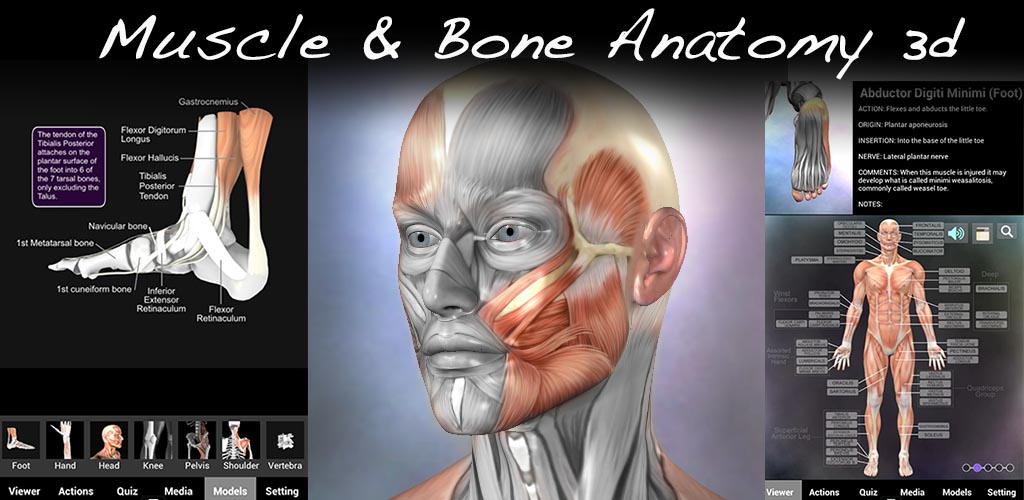
9. Muscle and Bone Anatomy in 3D

Muscle and bone anatomy in 3-D provides medical students, residents, and physicians with a powerful tool for accurate diagnosis, treatment planning, and patient education. It currently holds a 4.7out of 5 rating in the IOS app store.

Features and Functionality

By utilizing advanced imaging techniques and computer software, a three-dimensional representation of the musculoskeletal system can be generated. This allows for a detailed visualization of the relationship between muscles, bones, and surrounding structures. Imagine being able to visualize muscle movement in real time and in 3-D!! This app allows the user to learn from dissected anatomy, because   it shows muscle, ligament, and tendon attachments.

Best of all, this application has quizzes you can take to test your level of knowledge and highlight areas that may need more attention. Hence, it is an excellent tool for learning.

Using this app makes identification of abnormalities, fractures, joint disorders, and muscle imbalances. much easier. Surgeons can plan surgical interventions with greater precision, optimizing outcomes and reducing surgical risks. Furthermore, this technology enables physicians to explain complex conditions to patients using interactive 3-D models, enhancing their understanding, and facilitating informed decision-making.

10. Pepid

Pepid is a highly regarded medical application that provides an extensive range of medical content, clinical tools, and decision support resources. It currently holds a 4.7 out of 5 rating in the IOS app store . This application made the list because it is very user friendly, offers a variety of tools, and is easy to access on the go. It is very useful for emergency room and urgent care physicians Here’s why:

Features and Functionality

Pepid boasts an impressive collection of clinical information, which allows you to look up differential diagnoses. It also offers clinical decision support tools, such as differential diagnosis generators, symptom checkers, and treatment algorithms. Pepid has a vast drug database including pill pictures and IV drug compatibility, and med-med-interaction information.
What I like about this application is its availability on multiple platforms. Other noteworthy feature is its varied medical content that is regularly updated.

Pepid assists with clinical decision making and treatment planning when time is of the essence.

Areas for Improvement??

If I could wave a magic wand and add features to this application, it would be the integration of multimedia resources such as images and videos that can be shared with colleagues and patients. Who knows, maybe this capability will soon be available on this application.
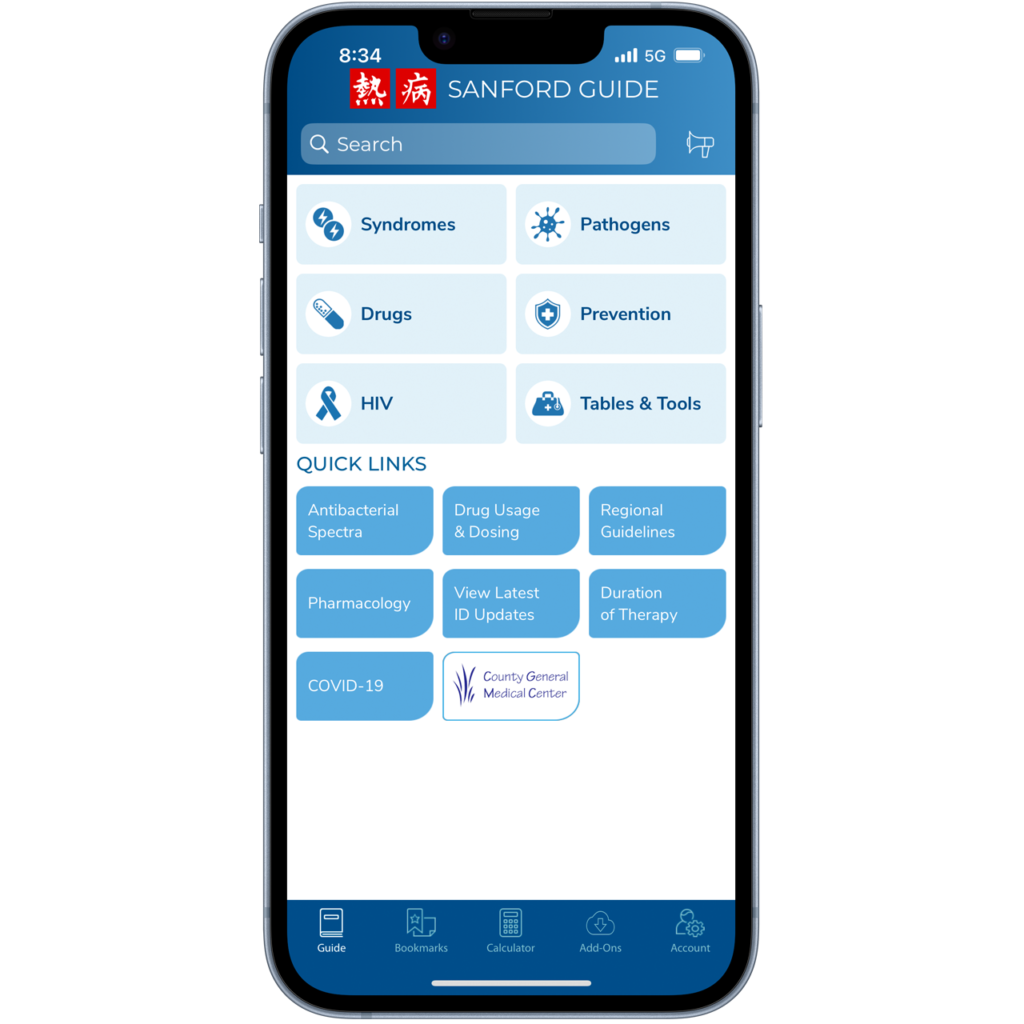
11. Sanford Guide to Antimicrobials Application

This user-friendly application has long been a favorite among clinicians across many specialties. Its comprehensive content and evidence-based recommendations make it a trusted resource for the treatment of infectious diseases. The Sanford Guide to Antimicrobials book has been in circulation since 1969. The app allows for much quicker access to the same information.

Features and Functionality

The Sanford Guide to Antimicrobials application boasts a user-friendly interface making it accessible to healthcare professionals at all levels of expertise. The app is available for both iOS and Android devices, ensuring compatibility across platforms. Its intuitive design allows for quick navigation, making it easy to find the information needed in a time-sensitive clinical setting.

The app’s most significant strength lies in its comprehensive coverage of antimicrobial therapies.  It provides detailed information on various infectious diseases, including diagnosis, treatment options, dosing regimens, and management of complications. The content is regularly updated to reflect the most current guidelines and emerging infectious threats, ensuring accuracy and relevance.

The information is presented in a concise manner, allowing busy healthcare providers to access critical details without feeling overwhelmed.

For More Than Just Physicians

In addition to physicians, this app is very useful for pharmacists, and other healthcare personnel involved in antimicrobial therapy.

This app provides information on dose adjustment and treatment duration. The inclusion of information on drug interactions, adverse effects, and special populations enhances its relevance in the health care arena.

Moreover, the Sanford Guide to Antimicrobials application  includes a range of supplementary features such as  calculators for renal dosing, algorithms for infection management, and susceptibility data for specific pathogens.

Areas for Improvement??

While some users have complained about interface glitches, it holds a 4.8 out of 5  rating in the IOS app store. It’s important to note that updates to the interface have helped with these glitches. It is best to update the application as newer versions become available to avoid any technical issues.

Considering the app’s comprehensive content and regular updates, the price is justifiable for its value and the convenience it offers. I would recommend this application to medical students, residents, and fellows.

It is similarly very helpful for physicians, pharmacists, and Advanced Practice Clinicians.

12. UpToDate

This long beloved and trusted application enhances your expertise.
The application is easy to use and understand and in case of any technical issues, you can quickly turn to their top-notch customer support team and resolve any issues. It currently holds a 4 out of 5 rating in the IOS app store

Features and Functionality

This application is trusted by healthcare professionals worldwide due to its ability to deliver evidence-based guidance, comprehensive research, and expert opinions right at your fingertips. It is like always having your smartest residency preceptor with you.
UpToDate is very useful for accessing the most recent guidelines set forth by medical societies. It is very organized and features a table on contents that allows you to skip to the portion of the article you are interested in exploring, without wasting time reading through long articles.
With UpToDate, you can earn continuing medical education credits and address medical queries simultaneously.
This application is used by many practitioners to enhance patient care. Stay UpToDate as you quickly go about caring for patients.

13. Visual Dx and Visual DX Plus Applications

Visual Dx and Visual DX Plus are two prominent apps that offer comprehensive image-based diagnostic support. Currently, it holds a 4.5 out of 5 ranking in the IOS app store. Both apps are available on iOS and Android platforms.

Features and Functionality

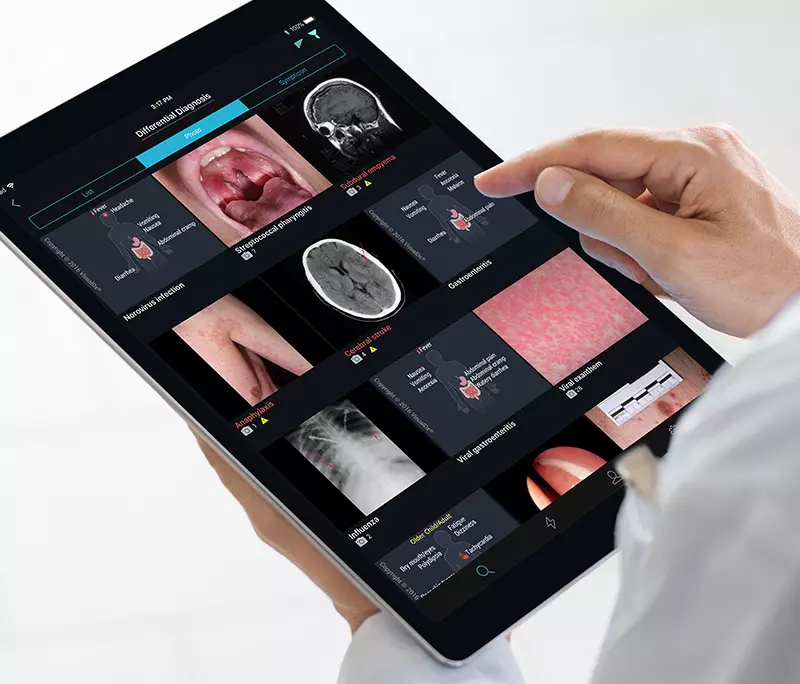
Visual Dx and Visual DX Plus provide an extensive collection of medical images, allowing clinicians to visually explore and compare various clinical presentations. These applications offer a user-friendly interface, making it easy to search for specific conditions, view images, and access relevant clinical information.

Of course, the strength of Visual Dx and Visual DX Plus lies in their extensive and diverse database of medical images. This allows the applications to provide high-quality visuals of various dermatological, ophthalmological, and general medical conditions. These images are accompanied by detailed clinical information, including differential diagnoses, diagnostic pearls, and treatment options. The content is regularly updated, incorporating the latest medical best practices.

Additional features of Visual DX Plus include access to a vast library of medical textbooks and journals, further augmenting its value and practicality.

Without a doubt, Visual Dx and Visual DX Plus continue to play a crucial role in facilitating accurate diagnoses, improving patient care, and supporting ongoing medical education. I highly recommend this application for those clinicians who are responsible for the training of students and residents!

The future of health care is here

The use of applications and AI is here to stay. When developed with the clinician in mind, these applications serve as a valuable resource for healthcare practitioners, across multiple specialties and health care settings. Though useful, applications cannot take the place of high-quality patient -provider interaction. Our carefully cultivated skills and knowledge remain the best tool in the delivery of compassionate health care.

Ela Grigorian, MD

www.thevitaminchannel.com

Check out my book!!  100 Delicious Vegan Recipes to Prepare at Home: All the Inspiration You Need for a 4 Course Meal or Any Combination to Satisfy Your Cravings

March 31, 2023

author: Dr. Ela Grigorian
The Rude Patient

No matter what type of specialty you practice, a strong and healthy therapeutic relationship is essential to gaining patient trust and compliance, hence leading to positive health outcomes for your patients. Nonetheless, there are many days when due to unpleasant doctor-patient interactions and rude patients, the workday may feel like a struggle and drain our energy and enthusiasm. Unfortunately, this scenario is not uncommon and can sometimes feel like the norm. According to the American Academy of Family Physicians, https://www.aafp.org/PUBS/FPM/issues as many as 15% of patient physician encounters are rated difficult by the treating Physician.

The Disconnect

As it turns out, many patients have also come to feel their healthcare provider is not showing the expected kindness, caring, and courtesy they once enjoyed. Patients go to their doctors wanting to be heard and expect their doctor to understand their particular situation. According to statistics put forth by United Healthcare, most doctors only listen to their patients for 11 seconds before interrupting them. Many times, patients receiving their diagnosis, feel anxious because they perceive they have little or no control over their care plan. They also feel that at the end of the visit, they have not understood their diagnosis, often reporting that their healthcare provider explained the diagnosis and plan too fast. Virtual healthcare can also make patients feel helpless and scared, because often patients will receive their test results through their patient portal before a provider can review their significance with them.

First Impressions Count

According to the AAFP, http://www.aafp.org./PUBS/FPM/issues/2017/0900, an otherwise pleasant patient may behave rudely and become angry by the time they see a physician due to how they are treated by front office reception staff.

They may become annoyed because the waiting room is too cluttered or noisy. Patients may be short with their provider because of having to wait in exam rooms that may be too cold or too hot. They may feel overly nervous due to language or literacy concerns. Therefore, it is crucial to review important points of contact within the practice and anticipate any possible environmental factors that may make patients feel uneasy and affect the therapeutic experience.

The Types of Difficult and Rude Patients

While all difficult patients can make getting through the day an arduous task, they are not problematic for the same reasons. There are many facets that can contribute to the patient becoming rude, pushy, and even potentially aggressive and violent.

So, Who Are the Players??

The Manipulative Patient

They may threaten legal action if they do not get their way. Some will bribe or threaten their physician with good or bad reviews based on getting what they want. They may even threaten to harm themselves. They tend to struggle with personality disorders. The key here is to remember that they are actually playing on your emotions.

Therefore, it is important to keep calm and remain self-aware when dealing with these types of patients. Often written forms that patients can read and sign may set healthy boundaries and establish expectations in writing.

High Utilizers

These patients are known to everyone in the office or clinic due to their frequent visits. These patients, although no more or less important than others, will take up multiple appointment slots to discuss medication questions, or to consult on occasional symptoms, or to find out if the medical information they were given by other healthcare providers, or their friends and family is correct. They likely suffer from anxiety or loneliness or both and may have somatization disorder.

The Somatizing Patient

As mentioned above, they can require multiple visits, calls, or emails to address an ongoing array of vague signs and symptoms. They have likely seen several other physicians in multiple settings and report having “fired” them because the urgent care, emergency room, and other primary care providers they consulted did not agree with them and did not take them seriously.

The key to maintaining a therapeutic relationship with these rude patients comprise of the three C’s: a) compassion, b) a calm demeanor on the part of the healthcare provider, and above all c) a caring attitude that addresses their concerns.

It may be helpful to set up  regularly scheduled visits and address concerns that will inevitably arise. Confronting patients with a dismissive attitude and telling them not to worry or it is all in their head never works.

The Angry or Defensive Patient

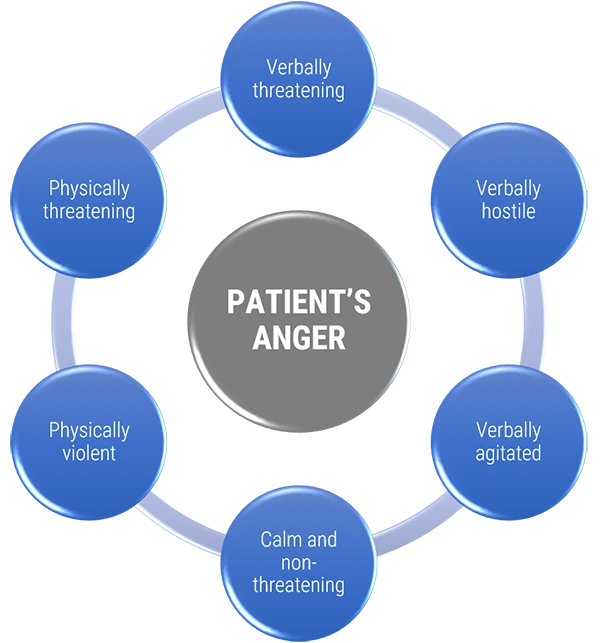
There are, definitely, a variety of factors that may contribute to making a patient angry or defensive. They may be angry about waiting too long to be seen, or perhaps with a friend or a co-worker prior to their visit. Anything may have gone wrong in their day, and they lack the emotional maturity to remain courteous to you or your staff. They may feel they have been mistreated over the phone or by the front desk staff. But, whichever the cause, you can become the person they direct their anger toward.

The good news is in most instances there are many ways to address the situation, and hopefully steer the visit toward a satisfactory outcome. There are ways in which  to respond to such patients that can calm them and help staff and physicians maintain an optimistic and resilient attitude as they continue their work. Keep in mind that even though you are their preferred target for the moment, you may not be doing anything wrong.

The Non-Compliant Patient

These rude patients tend to suffer chronic diseases, such as hypertension, heart disease, diabetes mellitus, hyperlipidemia, etc. You may spend many visits listening to them, educating them, and motivating them. Your staff may spend time and effort working on prior authorizations to help these patients avoid high co-pays. Your staff may even spend hours on authorizing multiple specialty referrals. All of this, only to find out on a follow up visit that they have not even picked up the much-needed medications and have not followed up with the appropriate specialists that should have been an integral part of their medical care.

The Non-Compliant Patient

They will cancel and will no-show for many appointments, arrive late, and go as far as to claim no one told them their prescription was ready or their imaging order was authorized. These patients typically claim they have “lost” the mammogram order, the x-ray order, or their lab order, and hence have not completed their needed studies. They may place blame and responsibility on their medical provider and office staff. All of this can be very frustrating and lead to multiple duplicative work.

Unfortunately, there is no medical practice that is spared. The key is to remain aware and avoid becoming emotionally involved in the outcome when it comes to the non-compliant patient. Instead, employ multiple automated reminders and document when the patient has been informed about their care plan. Utilizing email, text reminders, handouts, visit, summaries, and other forms of communication can really help. Remain calm and be ready when the patient decides to face their illness and take responsibility for their health.

How to Create a Therapeutic and Respectful Alliance with Patients

The above-described patients can sometimes baffle the most seasoned physician. Therefore, it is best to always refer to the code of medical ethics. Below is the list put forth by the American medical association. https://code-medical-ethics.ama-assn.org/ethics-opinions/patient-rights.

Physicians must serve as patients advocates and represent patients’ rights which include:

  1. The right to courtesy, respect, dignity, and timely responsive attention to his or her needs.
  2. To receive information from their physicians and to have an opportunity to discuss the benefits, risks, and costs of appropriate treatment alternatives, including risks, benefits, and costs of foregoing treatment. Patients should be able to expect that their physician will provide guidance about what they consider the optimal course of action for the patient based on the physicians’ objective professional judgment.
  3. To ask about their health status or recommended treatment when they do not fully understand what has been described and to have their questions answered.
  4. To make decisions about the care the physician recommends and to have those decisions respected. A patient who has decision making capacity may accept or refuse any recommended medical intervention.
  5. To have the physician and other staff, respect the patient privacy and confidentiality.
  6. To obtain copies or summaries of their medical records.
  7. To obtain a second opinion.
  8. To be advised of any conflict of interest their physician may have in respect to the care.
  9. Patients should have the right to continuity of care and should be able to expect that their physician will cooperate in coordinating medically indicated care with other healthcare professionals and that the physician will not discontinue treating them when further treatment is medically indicated without giving them sufficient notice and reasonable assistance in making alternative arrangements for care.

The Last Resort

There will be times that the inevitable may happen despite all the effort put forth to maintain a mutually respectable and therapeutic relationship. 

In such situations, maintaining a courteous and professional demeanor and remaining calm without allowing patients to trigger any inappropriate behavior on your part is crucial. 

It is best to inform the rude patient that you will be discharging them from the practice in person with an office manager present. Additionally, informing patients in writing that you will be discharging them from the practice is mandatory. Let them know that you care about their health and will be available for a period of 30 days for any emergencies that pertain to their care plan until they find a new medical provider to care for their needs.

 At times, the most therapeutic decision can involve discharging the rude patient from the practice to allow them to seek care with an alternative medical provider that the patient may prefer over you.

In the end, knowing how to respond to each patient and trying to deliver personalized care with an understanding and compassionate attitude can go a long way in preventing a break in the therapeutic bond.

It is important to keep in mind that discharging a rude patient does not reflect on your ability to deliver excellent medical care.

As the saying goes, there are times that patients make us feel contented and happy when we see them in our offices and there are times that we feel equally happy when they depart from our office.

If you are ready for a change of pace from your current practice, give locum tenens a try for a little more freedom! Click here to see what we have available, or to speak to our great recruiters, fill this out

November 14, 2022

author: Dr. Ela Grigorian
Burnout, a Problem Worth Solving

It is a typical day for Dr. Green, as she arrives at her large institution’s urgent care department. She has decided to arrive an hour early, 7:00 AM instead of her usual 8:00 AM, to finish her charting from last night’s shift. Normally, she tries to keep up with her charting on EMR (Electronic Medical Record), but last night was especially hectic as two doctors called out sick. The last minute acute abdominal case and sickle cell crisis patients who arrived three minutes prior to closing kept her working well past midnight. Since she lives 110 miles away from work, she ends up spending many nights at hotels, as she is too exhausted to drive back home to her family. This morning, she is on a mission to finish charting and responding to outstanding emails, not to mention her administrative tasks. She is happy because she will finally be able to return the two missed calls from her husband. He should be up by now, she thinks, and cannot wait to say good morning to him and wish him a good day.

The Pressure Cooker

Before she has a chance to place coffee and breakfast on her desk, she is met by a triage nurse frantically explaining how a patient walked into the triage booth with bloody clothes requesting help after being stabbed during an altercation. Dr. Green drops her coat, scarf, and breakfast and springs into action. By the time the stabbing victim is stabilized, and hospital bound, she has nine patients on her queue who need medical attention. Three patients are already roomed, one of which swings the exam door open and begins yelling ,cursing, and threatening to sue “the incompetent doctor that doesn’t give a damn about sick people.” Dr Green checks all three patient charts, reviewing their past medical histories and their reason for today’s visit. The patient yelling obscenities has checked in for migraine treatment. Her list of medication allergies include six non-narcotic medications used to treat pain and migraine headaches. Also, there is an eight-year-old child in the adjacent room with complaints of vomiting, fever, and abdominal pain.

Dr Green takes a deep breath and springs into action.

Meanwhile, in the 3rd exam room sits a twenty-nine year old woman with her four year old daughter, who has checked in to have her child examined for signs of child abuse, after spending the weekend with her father two weeks ago. She did not seek care sooner because she did not have time to make an appointment. She also requests a full written report that she can show her divorce attorney.

Tired from having slept only five hours and hungry from having skipped breakfast, Dr. Green decides to evaluate the eight-year-old patient suspected of acute appendicitis. As she walks past the migraine patient’s room who is shouting into her cell phone, she hears the patient say, “be careful in the parking lot tonight.” Dr. Greene suspects the patient is referring to her. She feels tension build-up in her temporomandibular joints.

Before she can attend to her first patient of the day, she has been shouted at, cursed at, and threatened.

Her charts from last night are still not done and a myriad of emails have not been answered, despite cutting back on her sleep to arrive early to complete her administrative tasks. She works in a department dubbed “the trenches” or “the pressure cooker” by other departments in her large organization because daily life for her and her colleagues often feels like a battle in the trenches. During the years she is worked there, multiple staff members have taken medical leave due to stress, depression, heart palpitations, and a host of gastrointestinal and musculoskeletal illnesses. A colleague has decided to apply for permanent disability due to health issues. Another previously well accomplished and respected doctor in the department is in rehab for prescription drug abuse and dependence. Many doctors have simply quit.

Unfortunately, Dr. Green’s experience is not uncommon and days like these have become the norm, leading to a never-ending cycle of emotional and physical exhaustion. This never-ending occupational stress has resulted in an epidemic of physician and medical provider burnout.

What Constitutes Physician Burnout?

To understand this occurrence better, we must know what “Burnout” actually means. According to the World Health Organization, burnout is an occupational syndrome where the medical provider suffers from emotional and physical exhaustion. Typically, there is a sense of cynicism or negativity related to his/her job. Physicians experiencing burnout will often grapple with a lack of personal sense of accomplishment. They will distance themselves from the offending cause, in this case, their work and, most likely display a marked loss of interest in their work to avoid further stress.

Additional Signs of Burnout

  1. Feeling drained and exhausted even when not working.
  2. Fatigue that does not respond to adequate rest, sleep, or even time off.
  3. Feelings of helplessness.
  4. Feeling trapped in one’s current circumstances.
  5. Changes in appetite and sleep.
  6. Procrastination and loss of motivation.
  7. Withdrawing from, and isolating from, work functions, family, and friends.
  8. Physical manifestations, such as increased muscle aches, headaches, gastrointestinal disturbances, and even lowered immunity.

Who Is at Risk?

In a word, everyone, given the current environment. Burnout does not spare physicians in training either. In a survey, 25% of medical residents said they would choose a different career if given the chance. Almost half of Gen X physicians report experiencing burnout. Another survey revealed approximately 46-50 % of physicians exbibit at least one of the symptoms of burnout. Unfortunately, this malady has not improved since the World Health Organization defined burnout in 2018.

https://www.ahrq.gov/prevention/clinician/ahrq-works/burnout/index.html

In 2020, 42% of physicians reported suffering from burnout. That number rose to 46% in 2021. To elaborate, the Medscape 2021 Physician Burnout and Suicide Report exposed an increase in this problem. Medscape surveyed 12,000 physicians across different specialties.

The results were tallied and reported in various statistical breakdowns with the six most significant findings described below:

  1. The highest rates of burnout were reported among Critical Care, Pulmonary Medicine, Neurology, Infectious Diseases, Rheumatology, Internal, and Family Medicine.
  2. Female physicians reported higher rates of burnout. Not surprising, since most female physicians carry added childcare and domestic responsibilities. Additionally, female physicians often end up caring for elderly and sick parents.
  3. Work settings can often contribute to burnout. According to the National Institute for Health Care Management Foundations, medical providers who work at hospitals, large integrated systems, outpatient community clinics, outpatient academic settings, and multispecialty group practices report the highest rates of burnout.
  4. Burnout is not due to Covid! In the 2021 Medscape survey, 79% of the physicians surveyed said their burnout started before the pandemic. The remaining 21% of physicians who reported experiencing burnout as a result of the pandemic cited factors such as lack of adequate PPE, stressful work conditions due to Covid cases and watching their patients die alone without their families to comfort them. Of those surveyed, only 8 % reported treating Covid patients a source of burnout, compared to 58 % citing too many bureaucratic tasks as a burnout source.
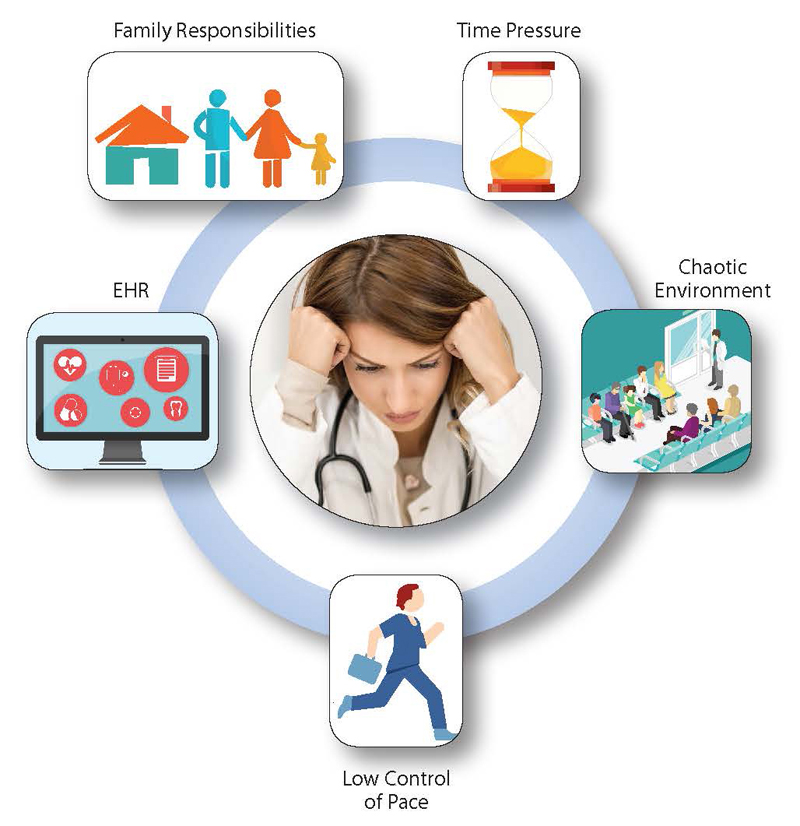
  5. Sources of burnout are not a result of treating patients. Top causes of burnout included bureaucratic tasks, as mentioned previously. Long hours at work, 37%. Lack of respect from administrators/employers, 37%. Another top cause of burnout was insufficient compensation, 32%. The next common source of burnout was the lack of autonomy or control over physician medical decision making, 28%. Next in the survey results was the everlasting increasing computerization of the medical practice, 28%. Lack of respect from patients was another cited source, 17%. Yet another source of burnout was increasing governmental regulations pertaining to healthcare delivery, 14%. Out of all the cited causes, only 8 % of those surveyed cited stress from patient treatment.
  6. The causes of burnout have remained constant year to year. Regardless of the pandemic, physicians have cited the ever-increasing bureaucratic tasks as a top contributing factor. This is not to say that the pandemic did not worsen this problem. But the cracks in the system were already there; Covid-19 just deepened the already existing angst and hopelessness among health care providers.

The Mental Health Toll of Burnout

Ongoing helplessness and frustration on the part of overwhelmed, underpaid, and disrespected physicians have led to increased rates of depression. Unfortunately, medical professionals tend to feel inadequate if they ask for help. Other factors keeping affected physicians in an endless cycle of depression, depersonalization, and guilt, are the fear of being judged harshly by peers and superiors if
they seek mental health services. Some even fear retaliation and damage to their reputation and careers
if they are found to be suffering from depression and anxiety. Unfortunately, the consequences of not
seeking help can lead to self-medication and even suicide. In fact, physicians are more than twice as
likely to fall victim to suicide than the population at large.

The Wide-Reaching Impact of Physician Burnout

The ability to care for and cure what ails our patients is a source of great personal satisfaction and joy for medical providers. However, regardless of good intentions, it has been shown repeatedly that burned out providers become less effective in their communication with their patients. When information exchange between patients and doctors is compromised, the quality of care given to patients also suffers. What is more, burnout coupled with the pressure of time constraints has been shown to jeopardize patient safety and increase unintentional errors in the delivery of care. It stands to reason that when doctors keep “a stiff upper lip” and push past their fatigue, they can ignore patients’ feelings and wishes in the process.

The adverse effects of burnout on quality medical care has been demonstrated in other countries as well

According to the Canadian Medical Journal, physician burnout decreased productivity, as more physicians call out sick, forcing remaining colleagues to treat a higher number of patients in a shorter amount of time, which led to an increase in medical errors.

Given this unsustainable scenario, one of two things happen. Either more physicians experience burnout and mental health problems, rendering them unable to provide the quality care patients deserve, or the remaining physicians choose to change jobs or careers in order to avoid burnout. Neither scenario is good for health care and will harm the overall health of our communities.

“The Journey of a Thousand Miles Begins With One Step” – Lao Tzu

It would not be an exaggeration to say that our health care system needs help!

One way of improving health care is to start focusing on the wellbeing of healthcare providers. For example, if multiple surveys have shown that bureaucratic tasks take time away from the physician’s ability to focus on quality health care, shouldn’t administrators be held to task with regard to simplifying said tasks? Similarly, if long hours on EMR impact the time a medical provider has to interact with patients, shouldn’t we enable EMR to be user friendly and intuitive? In short, when we make physician health and wellbeing a priority, solutions can and will emerge.

Until positive changes occur in the delivery of care, medical providers ought to keep a few things in mind:

  1. Remember who you truly are. Who you were before you became a medical provider and where you’d be in life if you didn’t possess the knowledge and credentials you have today.
  2. On your worst days, try and remember why you chose your profession and know even the worst days are only 24 hours long.
  3. Remember that one of your greatest super-powers is remaining calm. Practice this elusive skill and you will immediately notice the positive impact on your patients, your team, and your wellbeing.
  4. Keep in mind, that on your worst days, you still possess the power to treat an asthmatic child who is gasping for breath, you have the power to safely lower your patient’s high blood pressure and high blood sugar. You have the power to calm nerves and to treat pain. You have the power to change the trajectory of your patients’ lives.
  5. Remain hopeful that many advances in medicine are headed your way which may be a game changer in how easily you can diagnose and treat a particular disease.
  6. Practice self-compassion. It is perfectly OK to set aside time to try new hobbies, make exercise a priority, plan for time away from work, and even time just to be alone and rest. Start planning before experiencing any symptoms of burnout.
  7. Incorporate diversity into your medical practice. Consider a salaried part time position while you scale back from private practice. Consider a sabbatical in order to branch out into non-clinical projects, such as teaching or research. Look into an interesting locum assignment either in your area or in another state or country. Locum assignments allow for a great deal of freedom and flexibility, while providing a chance to practice medicine in settings that are new to you.
  8. Consider stepping down from a leadership position that no longer gives your life meaning. Conversely, step up to a leadership role.
  9. Complete your CME requirements in other states and countries if feasible.

Above all, value your peace of mind and your health.

There is no one else quite as remarkable as you are.

To all health care superheroes, thank you for all that you do.

Ela Grigorian 

Check out my blog at www.thevitaminchannel.com !!

July 14, 2022

author: Dr. Ela Grigorian
Heat Related Illnesses

A brief review of a very hot topic!

In the past few years, climate change took center stage as we watched how our planet was ravaged by uncontrollable wildfires, torrential downpours, and ever-increasing record-breaking heat waves.

It is fair to say that in order to live our lives, raise our families, and take part in activities that give our lives meaning, we are now forced to plan around volatile weather systems.

Who among us have not experienced the frustration of a delayed flight, due to unstable weather? While we all know that we must make changes in how we grow our food and fuel our lives to decelerate climate change, we also need practical short-term solutions to an ever-growing quandary. In other words, what steps can we take to protect our health while we live, work, and play in the summer heat?

For starters, we must know some basic but useful information: We should be able to recognize the difference between heat exhaustion and heat stroke. Both heat exhaustion and heat stroke need to be taken seriously as they, according to the CDC, account for the leading cause of death in athletes. Heat related illnesses also account for many cases of morbidity in the notably young, older athletes, construction workers, military personnel, and firefighters. 

Who is at risk?

A big part of successfully identifying and treating heat exhaustion and heat stroke is the ability to recognize who is at risk in the first place. In this regard, lifestyle is a crucial factor when it comes to the degree of vulnerability and simply knowing the professions most at risk of succumbing to heat related illnesses is not enough.

Major risk factors

Important predisposing factors include poor baseline physical fitness, lack of proper baseline hydration, improper clothing, and, even, alcohol intoxication. Other risk factors include acute illnesses such as severe gastroenteritis or a recent upper respiratory tract infection and unfortunately, the chronically ill are not spared either. Many are at increased risk of yielding to heat related illness. Some acquired and congenital conditions to keep in mind are disorders of anhidrosis, sickle cell anemia, heart disease, asthma, chronic obstructive pulmonary disease (COPD), and diabetes mellitus.

Keep in mind that it is not just the conditions that pose the greatest risk, but the prescription and over the counter drugs taken as part of the treatment and management of these conditions that increase the likelihood of heat related illnesses. In particular, diuretics, heart disease and anti-hypertensive prescriptions, antidepressant medications, especially those belonging to the tricyclic antidepressant category all increase the risk of heat related illnesses. Other psychiatric drugs such as Lithium can pose a potential threat as well.

Other factors

Even simple over the counter antihistamines and decongestants can set anyone up for heat related illness. For example, it is not uncommon for a person with an underlying pulmonary condition who has an acute upper respiratory tract infection, to take multiple doses of over-the-counter cold medications in order to get through his/her workday as a construction worker, only to suddenly experience heat exhaustion.

Lastly, those who have alcohol or substance abuse problems can definitely be more prone to quickly becoming ill when exposed to high ambient temperatures.

In short, almost everyone you will come into contact with today can be at increased risk. 

How to protect ourselves and others

Now that we have established who is at risk, we must know how we can protect ourselves. If we provide patient care, how do we stratify the severity of illness and render the correct treatment?

Differentiating illnesses

Health care providers can distinguish between heat stroke and heat exhaustion through parameters such as core body temperature, mental status, airway and breathing, circulation, and by taking note of the skin of the affected person. We will discuss key differences that can help quickly differentiate between heat stroke and heat exhaustion. 

With heat stroke the skin will appear dry whereas a person suffering from heat exhaustion will continue to sweat.

People affected with heat stroke have very notable mental status changes, such as slurred speech and/or ataxia (loss of normal balance). They may appear obtunded or be hallucinating. They can present with seizures, delirium, and even coma. Thankfully, those experiencing heat exhaustion may only report headache, dizziness, and mild confusion that improves upon treatment. 

Other factors include airway and breathing: Those with heat exhaustion may have tachypnea (rapid breathing rate), but there will be no airway compromise.

With heat stroke however, there can be airway compromise due to altered mental status. 

Other signs

Other obviously critical signs include pulse, blood pressure, and temperature. People in heat stroke will have core body temperatures of 104  F to 105  F and have tachycardia (fast heart rate) and be hypotensive (have low blood pressure). On the other hand, those with heat exhaustion will have core body temperatures of less than 104  F and will have stable blood pressure despite having tachycardia. 

Heat stroke will often present with vomiting and diarrhea, whereas only nausea and vomiting accompany heat exhaustion. Further, those with the latter may complain of headache and weakness due to electrolyte abnormalities but will not present with systemic shock as can happen with heat stroke. Other distinguishing features between heat stroke and heat exhaustion are that the former is complicated by rhabdomyolysis (the destruction of striated muscle cells); acute renal and hepatic failure; and disseminated intravascular coagulation (DIC) which is the condition that inhibits the body’s ability to clot and stop bleeding. 

Treatment

Given the many complications associated with these illnesses, prompt treatment is essential. According to the Wilderness Medical Society Guidelines, severity of illness can be mild, which includes cramps and edema. In this case oral fluid and electrolyte replacement along with passive cooling measures suffice. Elevation of extremities are helpful if there is edema. When heat exhaustion is the diagnosis, prompt removal from the offending environment, followed by evaporative cooling or conduction cooling is recommended. Conjointly, hypertonic fluid hydration is essential for fast recovery. Concurrent lab testing should be performed and should include complete blood count (CBC), electrolyte panel, renal and hepatic function panels, CK (creatine kinase), urinalysis, and coagulation studies (PT, PTT, INR). This set of lab data can correctly guide treatment, disposition, and  prognosis. 

With severe signs and symptoms seen in heat stroke, prompt removal/evacuation from extreme temperatures is warranted while simultaneously supporting air way, breathing, and circulation. Intravenous hydration should begin immediately along with whole body conductive cooling or cold-water immersion. Consider  that cold water immersion can slow cooling if severe vasoconstriction and shivering ensue. Again, CBC, electrolyte panel, CK, troponin, renal and hepatic function panels, urinalysis, coagulation studies, drug screen panel, and cardiac monitoring will be required. Treatment of concomitant rhabdomyolysis, acute pancreatitis, acute liver and renal failure, gastrointestinal bleeding, encephalopathy, DIC, and other complications that can arise from systemic inflammatory responses will likely be necessary. 

Prevention

As with all illnesses, prevention is paramount. In the case of heat related illness, preparation is the best preventative measure to date.

Here is a brief list of preventative measures to consider:

  1. Focus on optimizing overall fitness.
  2. Know  historical weather temperatures and plan accordingly.
  3. Avoid extreme heat and humidity. This is especially helpful for those with acute and chronic illnesses.
  4. If exercise or outdoor activity cannot be avoided, be sure to hydrate well before exposure and wear clothing with pre-cooling technology (cooling vests). Take frequent brakes and drink water.
  5. Recognize early symptoms such as excessive thirst, dizziness, fatigue, muscle cramps, and headache.
  6. When working outdoors consider cooling vests, hats, and other protective gear that can aid the body’s heat loss mechanism. Make use of wearable basal  body thermometers that are useful in both hot and cold climates. They may be able to alert the wearer before the onset of symptoms. Many of the aforementioned equipment can be made available to small and large businesses through various OSHA programs. 

To recap, heat related illnesses account for days lost from work and school, morbidity, and even death. Recognition of mild to moderate illness and timely treatment can reverse many, if not all of the early signs and symptoms. Prompt evacuation and stabilization  of the heat stroke victim can mean the difference between life and death in many cases.

As always, consider the health of our planet when purchasing food, goods, and services.

Stay cool out there!!

Ela Grigorian, MD

thevitaminchannel.com

Please be sure to listen to our Medcare Business Network podcast featuring Dr. Ela Grigorian and other great guests here!

Medcare Staffing

© Medcare Staffing. All Right Reserved 2018. Site Created by Dash Digital Studio